The trucking industry in the United States plays a vital role in keeping the economy moving. Every day, thousands of CDL drivers transport goods across highways connecting major logistics hubs such as New York, New Jersey, and the rest of the country.
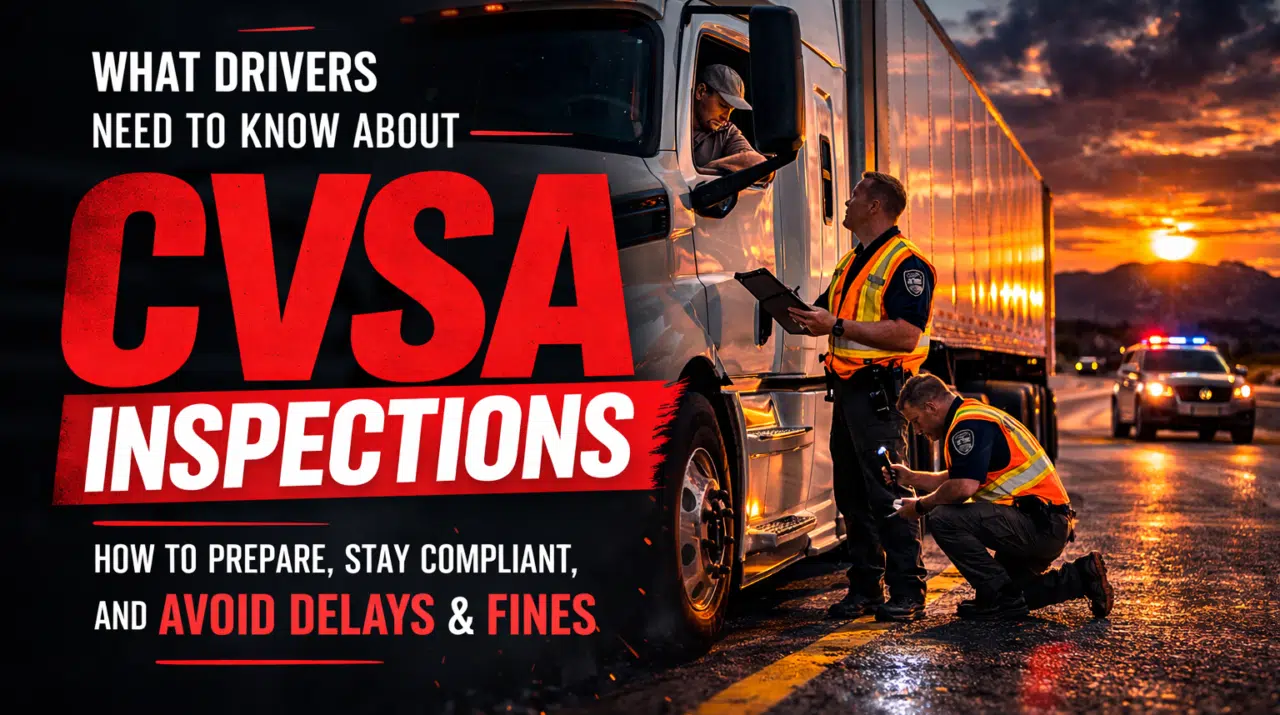
To ensure safety on the road, commercial vehicles are regularly inspected through programs organized by the Commercial Vehicle Safety Alliance (CVSA). For drivers, understanding how these inspections work is essential – not only for compliance but also for avoiding delays, fines, and potential out-of-service violations. In this guide, we’ll break down everything professional drivers need to know about CVSA inspections and how to prepare for them.
What Is a CVSA Inspection?
A CVSA inspection is a standardized safety inspection conducted on commercial motor vehicles across the United States, Canada, and Mexico. The purpose is simple: to ensure that trucks, equipment, and drivers meet all required safety standards. During these inspections, certified officers examine critical components such as:
-
brakes
-
tires and wheels
-
lights and reflectors
-
cargo securement
-
driver credentials
-
hours-of-service documentation
Drivers can learn more about the inspection process directly from the official CVSA website: https://www.cvsa.org
These inspections are part of broader federal safety programs overseen by the Federal Motor Carrier Safety Administration (FMCSA).
The Most Common Types of CVSA Inspections
There are several levels of CVSA inspections, but the most common one drivers encounter is the Level I Inspection.
Level I – North American Standard Inspection
This is the most comprehensive roadside inspection and typically includes:
-
driver license verification
-
medical certificate check
-
record of duty status (HOS logs)
-
vehicle mechanical inspection
-
brake and tire condition
-
suspension components
-
steering mechanisms
Full details about inspection levels can be found here: https://www.cvsa.org/programs/inspections/
What Is International Roadcheck?
One of the most important inspection events for drivers is the annual International Roadcheck. This is a three-day enforcement initiative organized by the CVSA, where thousands of inspectors conduct roadside inspections across North America. According to CVSA data:
-
nearly 15 trucks are inspected every minute during the event
-
inspections occur across the United States, Canada, and Mexico
-
the program has resulted in over 1.8 million inspections since 1988
The next International Roadcheck is scheduled for:
May 12–14, 2026
Drivers can learn more about this program here: https://www.cvsa.org/programs/international-roadcheck/
common reasons trucks fail inspections?
Even experienced drivers can be placed out of service if a violation is found. Some of the most common violations include:
Brake violations
Brake-related issues remain one of the leading causes of inspection failures.
Tire problems
Worn or damaged tires can lead to immediate out-of-service violations.
Lighting issues
Broken or malfunctioning lights are among the most frequently cited violations.
Hours-of-service violations
Incorrect or incomplete electronic logs can result in penalties.
Drivers can review common violations through FMCSA safety resources: https://www.fmcsa.dot.gov/safety
how drivers can prepare for a cvsa inspection?
Preparation is the best way to avoid problems during an inspection. Professional drivers should follow these best practices:
Perform a proper pre-trip inspection
Always check your vehicle thoroughly before starting your route.
Keep documents organized
Ensure your CDL, medical certificate, and electronic logs are accurate and up to date.
Maintain your equipment
Routine maintenance significantly reduces the risk of violations.
Follow hours-of-service regulations
Always stay compliant with FMCSA HOS rules. Drivers who follow these steps greatly increase their chances of passing inspections without delays.
why safety matters in the trucking industry?
Safety inspections are not just about compliance – they protect drivers, companies, and everyone on the road.
At Z Transportation, safety is a core value. Our drivers operate modern equipment, follow strict safety standards, and receive ongoing support to ensure safe and successful deliveries across the country.
For professional drivers operating routes throughout the Northeast, including New York and New Jersey, staying prepared for inspections is part of being a top-tier professional behind the wheel.
final thoughts
CVSA inspections are an essential part of maintaining safety and professionalism in the trucking industry. By understanding the inspection process, preparing your equipment, and following federal regulations, drivers can avoid unnecessary issues and keep moving safely down the road. Staying informed and proactive is the best way to ensure every mile is both productive and compliant.
Z Transportation