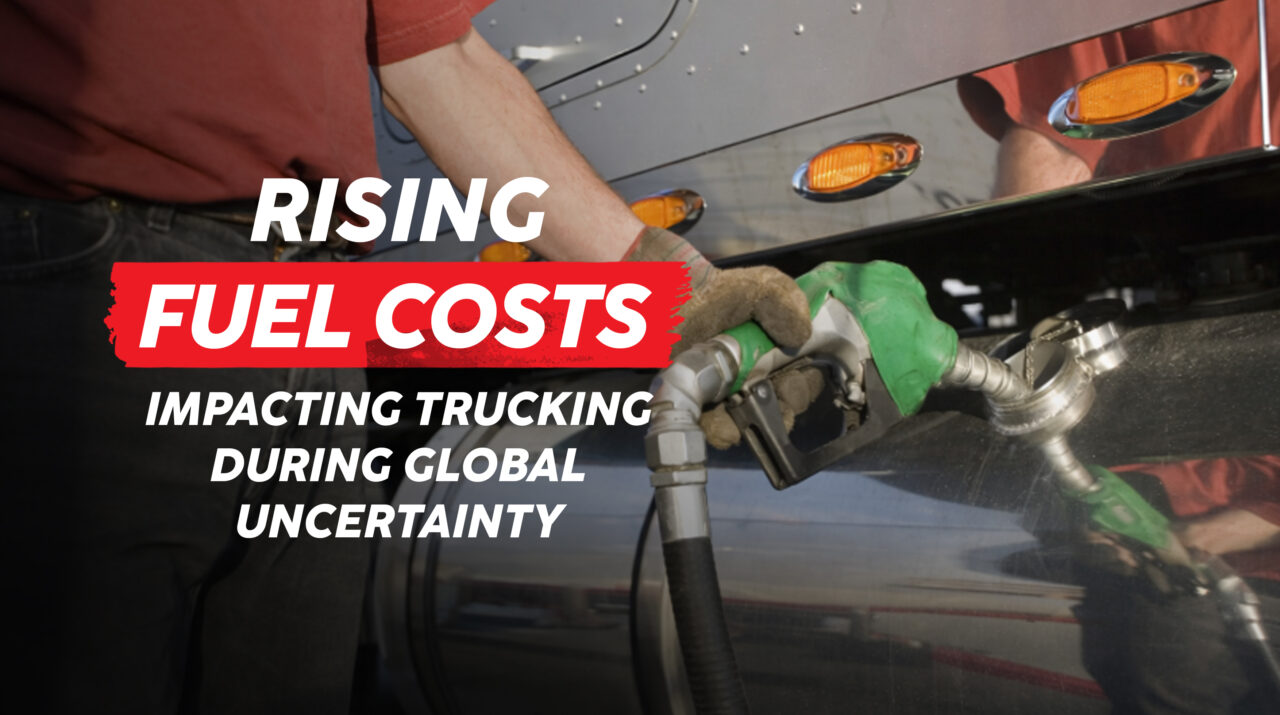

RISING FUEL COSTS IN TRUCKING: WHAT DRIVERS SHOULD KNOW DURING GLOBAL UNCERTAINTY
Rising fuel costs in trucking have become one of the most discussed topics across the transportation industry. From freight brokers and fleet managers to CDL drivers planning their next career move, the impact of global uncertainty on fuel prices is shaping how trucking operations function in 2026.
While fuel has always been a major operational expense, recent geopolitical tensions, supply disruptions, and market volatility have created a new level of unpredictability. For drivers — especially those considering becoming owner operators — understanding these trends is essential before making long-term decisions.
WHY RISING FUEL COSTS IN TRUCKING MATTER MORE THAN EVER
Fuel is not just another expense in trucking. It is one of the largest cost factors affecting freight rates, carrier profitability, and driver stability.
When fuel prices increase, several things typically happen across the industry:
-
Freight margins become tighter
-
Smaller carriers face increased financial pressure
-
Route planning becomes more strategic
-
Deadhead miles become more expensive
-
Load acceptance decisions become more critical
For drivers, this environment can create both risks and opportunities depending on their employment structure.
OWNER OPERATORS FACE TO LARGEST FINANCIAL EXPOSURE
Drivers who operate as lease-to-own or independent owner operators often feel the strongest impact of rising fuel costs in trucking.
Unlike company drivers, owner operators are directly responsible for:
-
Fuel expenses
-
Maintenance planning
-
Insurance costs
-
Equipment financing
-
Freight negotiation
During periods of fuel volatility, these financial responsibilities can quickly increase stress levels and reduce overall predictability. Even strong weeks in terms of mileage can be offset by sudden fuel price spikes. This makes cash flow management more complex and requires a higher level of business discipline. Many drivers who enter owner operator programs expecting greater independence may not fully anticipate how global market changes influence their operating costs.
COMPANY DRIVERS OFTEN EXPERIENCE GREATER STABILITY
In contrast, company drivers are typically more protected from the direct effects of rising fuel costs in trucking.
Because fleets negotiate fuel contracts, optimize routes, and manage operational expenses at scale, drivers employed by established carriers can focus primarily on performance, safety, and consistency.
Advantages often include:
-
More predictable weekly planning
-
Reduced exposure to fuel price volatility
-
Structured dispatch support
-
Access to newer, fuel-efficient equipment
-
Lower administrative burden
During uncertain economic periods, this structure can provide peace of mind and allow drivers to concentrate on building experience and long-term career stability.

HOW GLOBAL UNCERTAINTY INFLUENCES FREIGHT MOVEMENT
Global uncertainty does not only affect fuel prices. It also impacts freight demand patterns, supply chain routing, and shipping timelines.
When markets become unstable, companies often adjust inventory strategies. This can lead to:
-
Sudden surges or drops in freight volume
-
Changing regional demand
-
Longer planning cycles for logistics providers
-
Increased competition for high-quality loads
Drivers working with companies that maintain strong shipper relationships and diversified freight networks often experience more consistent load availability even during challenging periods.
THE GROWING IMPORTANCE OF FUEL-EFFICIENT EQUIPMENT
Another key factor shaping the industry is the rapid development of more fuel-efficient trucks. Modern aerodynamic designs, optimized engine performance, and advanced driver-assist technologies are helping carriers reduce fuel consumption and maintain operational efficiency. Fleets investing in next-generation equipment are often better positioned to navigate periods of rising fuel costs. For drivers, operating newer trucks can translate into smoother routes, improved comfort, and stronger long-term sustainability.
CAREER STRATEGY IN VOLATILE FUEL MARKET
Drivers considering whether to remain company drivers or transition toward owner operator roles should carefully evaluate market conditions.
Questions worth asking include:
-
How stable is freight demand in the lanes I plan to run?
-
What is the long-term trend of fuel prices?
-
Does the carrier offer strong dispatch and planning support?
-
How predictable are weekly schedules and route structures?
Career decisions in trucking are not only about independence — they are also about timing, market awareness, and risk management.
According to recent fuel market data published by the U.S. Energy Information Administration, diesel price fluctuations continue to influence freight planning decisions across major logistics corridors.
FINAL THOUGHTS (FINAL OUTLOOK ON RISING FUEL COSTS IN TRUCKING)
Rising fuel costs in trucking are reshaping how drivers approach their careers. While independence remains an attractive goal for many professionals, global uncertainty highlights the importance of stability, strategic planning, and reliable operational support.
Understanding how fuel markets influence the broader logistics ecosystem allows CDL drivers to make smarter decisions that protect both their performance and long-term career growth.
As the industry continues to evolve, drivers who stay informed and adaptable will be better prepared to navigate future challenges. Drivers who want to better understand how freight stability affects their weekly planning can also read our guide on consistent freight planning.