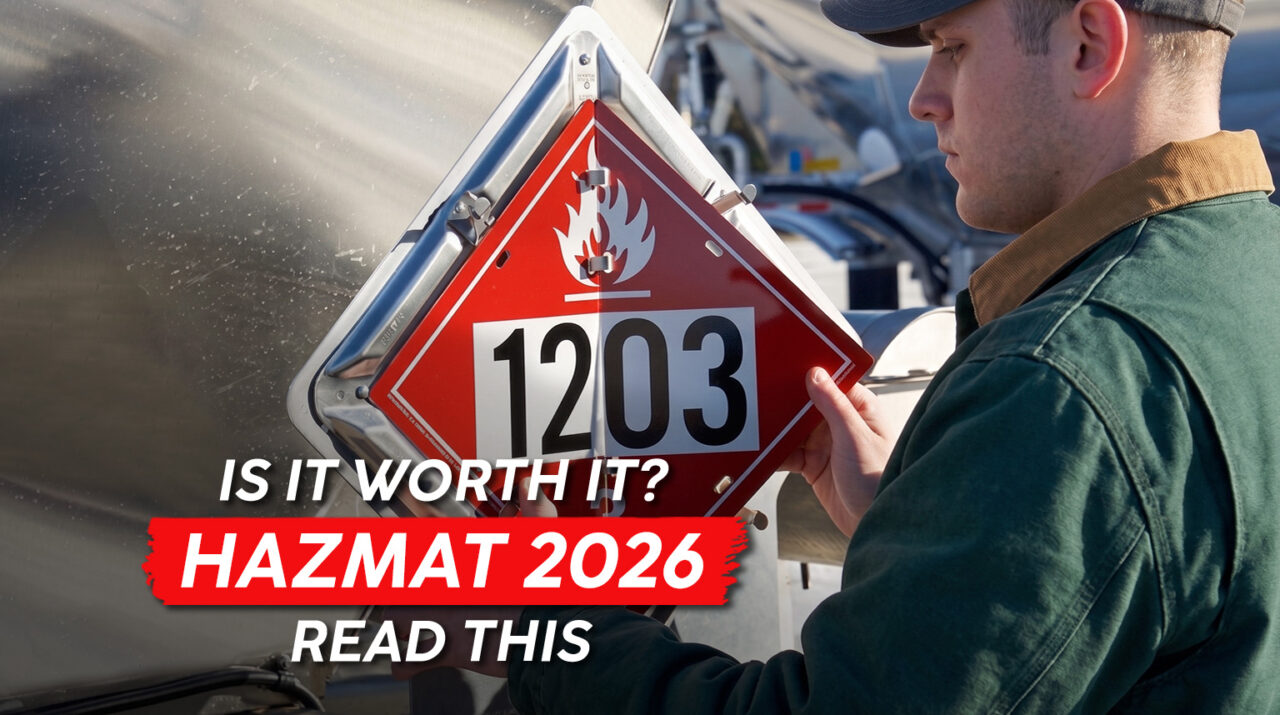
Hazmat Endorsement in 2026: What CDL Drivers Need to Know
Transporting hazardous materials is one of the most demanding and tightly regulated responsibilities in the trucking industry. In recent years, federal oversight has expanded, and expectations around safety, training, and verification have become more consistent across the board. As a result, the hazmat endorsement in 2026 reflects a system that is more structured, more controlled, and more focused on accountability than ever before.
For CDL drivers, this creates both a challenge and an opportunity.
On one side, the process requires more time, preparation, and attention to detail. Drivers must go through specific training, pass background checks, and demonstrate a clear understanding of safety procedures before they are approved. On the other side, those who complete the process gain access to a segment of the industry that offers stronger earning potential and more specialized work.
In practical terms, the hazmat endorsement in 2026 is no longer something drivers add casually to their license. It represents a higher standard of qualification, where knowledge, reliability, and compliance all play a role in whether a driver is trusted with sensitive cargo. For many drivers, the hazmat endorsement in 2026 is becoming a key factor in career advancement.
Another important shift is how this certification is viewed by carriers.
Companies that handle hazardous materials are typically more selective when it comes to hiring and load assignment. They rely on drivers who can follow strict protocols, handle documentation correctly, and respond appropriately in high-risk situations. This makes certified drivers more valuable, but also places greater expectations on their performance.
The process itself has also become more streamlined in terms of structure, even if it is stricter in execution. Each step, from eligibility to training, background checks, and testing, is designed to ensure that drivers meet a consistent level of readiness before being approved.
This level of control helps reduce risk across the industry, but it also means that drivers must approach the process with a clear understanding of what is required.
In that sense, the hazmat endorsement in 2026 is not just about meeting regulations, it is about aligning with a system that prioritizes safety, trust, and long-term reliability. Modern regulations are closely tied to safety improvements in the industry, and you can learn more about how technology is shaping this in truck safety technology.
For drivers who are willing to commit to that standard, the benefits can be significant. It opens the door to better opportunities, more stable work, and a stronger position in an industry that continues to evolve.
What Is a Hazmat Endorsement and Why It Matters
A hazmat endorsement allows CDL drivers to legally transport materials that are classified as hazardous under federal regulations. This includes substances like flammable liquids, compressed gases, corrosive chemicals, and other types of cargo that require special handling, labeling, and safety procedures.
Because these materials can pose serious risks if not managed correctly, the rules around transporting them are much stricter compared to standard freight. Drivers are expected to understand not only how to move the load, but also how to react in emergency situations, follow specific routing requirements, and comply with detailed safety protocols. The hazmat endorsement in 2026 is now more structured compared to previous years.
This is where the hazmat endorsement in 2026 becomes especially relevant.
The certification acts as proof that a driver has gone through the necessary training and screening to handle these responsibilities. It is not just about meeting legal requirements, it is about demonstrating a higher level of awareness and preparedness on the road.
For many drivers, this endorsement opens doors that are not available with a standard CDL alone.
With hazmat certification, drivers can qualify for:
- Higher-paying freight that involves specialized materials
- More consistent work with carriers that handle regulated cargo
- Access to routes and contracts that require additional credentials
- A stronger position when applying for competitive driving jobs
Another important factor is how companies view certified drivers. Carriers that transport hazardous materials are often more selective, which means drivers with the right endorsements are seen as more reliable and better prepared for demanding assignments.
At the same time, the hazmat endorsement in 2026 plays a key role in maintaining industry standards. By requiring proper training and background checks, it helps ensure that only qualified drivers are trusted with sensitive and potentially dangerous freight.
In a market where safety, compliance, and professionalism are becoming more important, having this type of certification is no longer just an advantage, it is increasingly becoming a requirement for drivers who want to grow and stay competitive.
The 5 Steps to Get a Hazmat Endorsement in 2026
The process of obtaining a hazmat endorsement in 2026 follows a clearly defined structure. Each step is mandatory and built around safety, accountability, and proper verification.
Unlike in the past, where some parts of the process were less standardized, today’s system is more organized and strictly regulated. Drivers are required to complete each phase in the correct order, with no shortcuts or skipped steps.
This structure is designed to ensure that every certified driver has the necessary knowledge, has been properly screened, and understands the responsibilities that come with transporting hazardous materials.
From initial eligibility checks to training, background verification, and final testing, every stage serves a specific purpose. Together, they create a process that prioritizes both public safety and industry reliability.
Understanding these steps in advance can make the entire experience smoother, helping drivers avoid delays and stay on track throughout the application process.
1. Meet CDL Eligibility Requirements
Before beginning the process, drivers must first meet the foundational requirements tied to holding a valid Commercial Driver’s License. This step ensures that only qualified individuals move forward into more advanced certification stages. Drivers who complete the hazmat endorsement in 2026 often gain a competitive advantage.
Basic eligibility typically includes:
- A valid Commercial Driver’s License (CDL)
- Minimum age requirement (usually 21 for interstate operations)
- Legal authorization to work
- A driving record that meets acceptable standards
These conditions serve as the starting point for any additional endorsements. They confirm that the driver already meets core safety and legal expectations before taking on more specialized responsibilities.
It’s also important to note that even minor issues in driving history or documentation can slow down the process. Taking the time to review and ensure everything is in order beforehand can help avoid unnecessary delays.
Without meeting these initial requirements, the application cannot move forward, making this step essential for anyone planning to advance in the certification process.


2. Complete ELDT Hazmat Training
Under federal Entry-Level Driver Training (ELDT) regulations, all applicants are required to complete an approved hazmat theory course before they are eligible to take the written exam. This step is designed to ensure that every driver starts with a consistent understanding of safety procedures and regulatory requirements.
The training focuses on key areas such as:
- Hazard recognition and classification
- Placarding and labeling requirements
- Safe handling and loading procedures
- Emergency response protocols
- Security awareness
Rather than being a simple formality, this training builds the foundation for working with sensitive materials. Drivers learn how to identify different types of hazardous cargo, understand how it must be labeled, and follow specific guidelines that reduce risk during transport.
Another important aspect is emergency readiness. Knowing how to react in unexpected situations, whether it’s a spill, leak, or other incident — is a critical part of the training and a major reason why this step is required.
In the hazmat endorsement in 2026 process, ELDT training plays a central role in standardizing knowledge across all applicants. It ensures that every driver, regardless of experience level, meets the same baseline expectations before moving forward.
3. Pass the TSA Security Threat Assessment
One of the most important stages in the process is the Transportation Security Administration (TSA) Security Threat Assessment. This step is focused on verifying that the driver meets federal security standards before being allowed to transport hazardous materials.
The assessment typically includes:
- Fingerprinting
- Identity verification
- Criminal history check
- Immigration status review
Unlike other parts of the process, this step goes beyond basic qualification and looks at potential security risks. Because hazardous materials can pose serious threats if misused, this level of screening is considered essential.
The hazmat endorsement in 2026 cannot be issued without TSA approval, regardless of whether all other requirements have been completed. This makes it one of the most critical checkpoints in the entire process.
It’s also important to account for timing. The review process can take several weeks, depending on application volume and individual background details. Submitting the application early can help prevent delays later in the process.
Planning ahead and ensuring all documentation is accurate can make this step smoother and reduce the chances of complications.
4. Pass the Hazmat Knowledge Test
After completing the required training and moving forward with the TSA assessment, drivers must pass a written hazmat exam at their local DMV. This step evaluates whether the applicant understands the rules, responsibilities, and safety procedures involved in transporting hazardous materials.
The test typically covers:
- Hazardous materials regulations
- Safety protocols
- Labeling and placarding requirements
- Emergency procedures
This is not just a memorization test, it focuses on practical knowledge that drivers are expected to apply in real-world situations. Questions are designed to assess how well a driver understands compliance, risk management, and proper handling of different types of materials.
Preparation plays a big role here. Reviewing training materials, practicing sample questions, and understanding key concepts can significantly improve the chances of passing on the first attempt.
Passing this exam is a required step in earning a hazmat endorsement in 2026, confirming that the driver is ready to handle the responsibilities that come with transporting regulated cargo.
5. Receive and Maintain Your Endorsement
Once all required steps are completed, the hazmat endorsement is officially added to the driver’s CDL. At this point, the driver is authorized to transport hazardous materials, but the process does not end there.
Maintaining this certification requires ongoing responsibility and attention to compliance.
Drivers are expected to:
- Renew TSA clearance every 5 years
- Maintain a clean driving and legal record
- Follow all federal safety and handling regulations
These requirements ensure that drivers continue to meet the standards expected for handling sensitive cargo. Any major violation or failure to comply with regulations can result in the endorsement being suspended or removed.
The hazmat endorsement in 2026 is designed as a continuous responsibility, not a one-time achievement. Staying compliant over time is just as important as completing the initial process.
By keeping records clean and following regulations consistently, drivers can maintain their eligibility and continue accessing higher-level opportunities within the industry.

Why Hazmat Requirements Are Stricter in 2026
The hazmat endorsement in 2026 reflects a broader shift toward tighter regulation and more consistent safety practices across the trucking industry. As the movement of hazardous materials continues to grow, so does the need for clear standards and stronger oversight.
Federal agencies have increased their focus in several key areas:
- Preventing fraud and misuse of credentials
- Improving overall public safety
- Standardizing training across all applicants
- Strengthening background verification processes
One of the most important developments is the emphasis on verified training and security screening. ELDT programs and TSA assessments are now central parts of the process, ensuring that drivers are both properly trained and thoroughly vetted before receiving approval. As highlighted in industry guidance, these steps are essential for maintaining a reliable and secure system.
In the end, these stricter requirements are not just about compliance, they are about building a safer environment for drivers, companies, and the public.
Is a Hazmat Endorsement in 2026 Worth It?
For most CDL drivers, the hazmat endorsement in 2026 is more than just an additional qualification, it is a long-term investment in career growth and earning potential. As the industry becomes more structured and competitive, drivers who take the extra step to gain specialized certifications are often the ones who access better opportunities.
While the process requires time, effort, and attention to detail, the return on that investment can be significant.
Drivers who complete the hazmat endorsement in 2026 process often benefit from:
- Higher earning potential across specialized freight
- More consistent and reliable load availability
- Access to niche markets that require certified drivers
- Greater job security in a competitive environment
One of the biggest advantages is access. Not every driver is qualified to transport hazardous materials, which naturally limits the pool of available drivers. This creates demand for those who are certified, often resulting in better pay rates and more stable work.
At the same time, companies that handle hazardous materials tend to prioritize reliability and compliance. This means that drivers with a hazmat endorsement in 2026 are often considered for more structured and professional operations, where expectations are higher but conditions are also more stable.
However, it is important to understand that these benefits come with added responsibility.
Drivers must be prepared to follow strict regulations, maintain accurate documentation, and stay updated on safety procedures. The hazmat endorsement in 2026 is not something that can be earned and ignored — it requires ongoing attention and discipline.
Another factor to consider is long-term positioning.
As the trucking industry continues to evolve, certifications like the hazmat endorsement in 2026 are becoming part of a broader trend toward specialization. Drivers who invest in these qualifications early are more likely to stay relevant and competitive over time, especially as regulations become stricter and standards continue to rise.
In the end, whether it is worth it depends on the driver’s goals.
For those looking to increase income, expand their options, and build a more stable career path, the hazmat endorsement in 2026 can be a powerful step forward — as long as they are ready to meet the expectations that come with it.
Final Thoughts
The hazmat endorsement in 2026 represents more than just an additional line on a CDL, it reflects a higher level of responsibility and professionalism within the trucking industry. As regulations continue to tighten and expectations increase, this type of certification is becoming a clear indicator of a driver’s commitment to safety and compliance.
Transporting hazardous materials is not only about moving freight from one point to another. It requires awareness, preparation, and the ability to handle situations that go beyond standard driving tasks. That is why the hazmat endorsement in 2026 carries more weight than ever before.
Drivers who go through the full process and stay consistent with requirements are often seen as more reliable and better prepared for demanding assignments. Over time, this can lead to stronger opportunities, more stable work, and better positioning within the industry.
At the same time, maintaining this endorsement requires ongoing discipline. Keeping records clean, following regulations, and staying updated on requirements are all part of holding that responsibility long-term. To better understand official requirements and eligibility for hazardous materials transport, visit the Transportation Security Administration (TSA) Hazmat Endorsement page.
In today’s market, where standards are rising and competition is increasing, having a hazmat endorsement in 2026 is no longer just a bonus. It is a strategic step forward, one that can open doors, improve career stability, and set drivers apart in a rapidly evolving industry.