
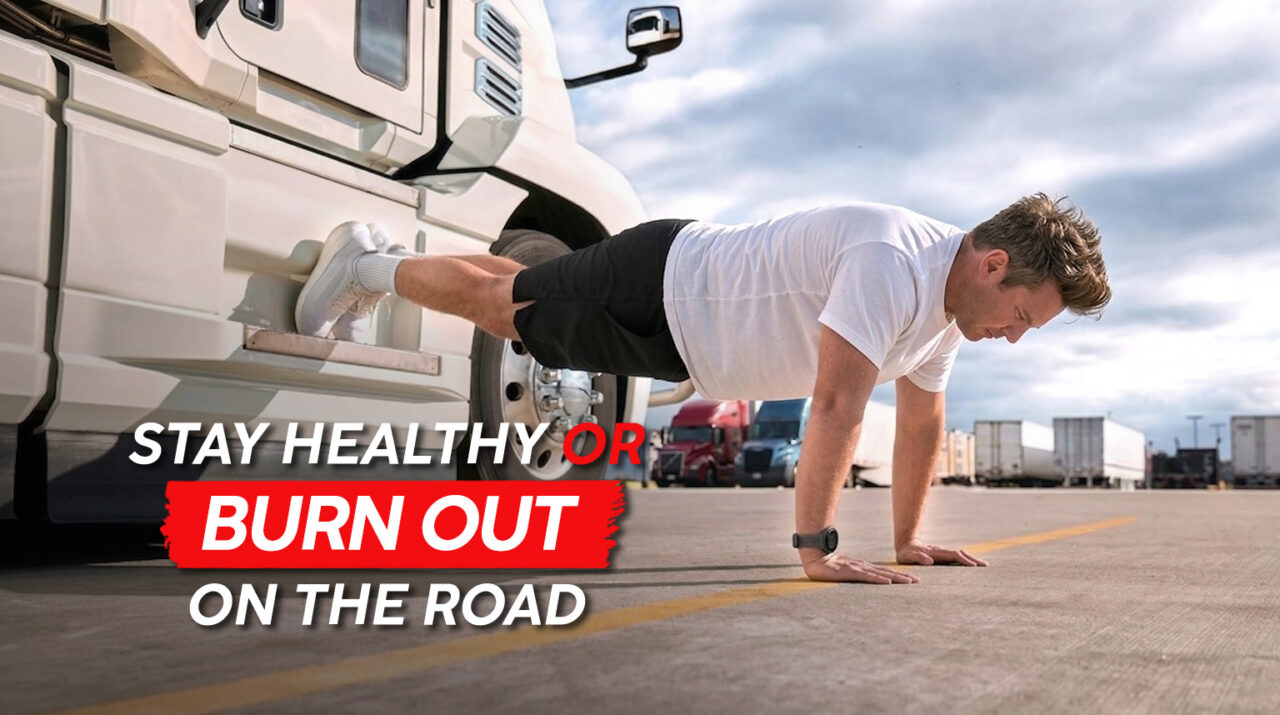
Why Health Matters More Than Ever for Truck Drivers
On World Health Day, it’s important to highlight a topic that often gets overlooked in the trucking industry, driver health. Long hours, irregular schedules, and limited access to healthy options make it challenging for many drivers to maintain a balanced lifestyle. Spending most of the day behind the wheel, often under time pressure, can gradually affect both physical and mental well-being. Over time, these conditions can lead to fatigue, poor eating habits, lack of movement, and increased stress levels.
This is exactly why understanding how to stay healthy while driving OTR has become more important than ever. The demands of long-haul trucking are not decreasing — if anything, they are becoming more intense. Drivers are expected to stay focused, productive, and consistent, often in environments that are not naturally supportive of a healthy lifestyle. Without a conscious effort to build better habits, it becomes easy to fall into routines that negatively impact health.
Learning how to stay healthy while driving OTR is not just about avoiding health problems — it is about improving everyday performance. Drivers who prioritize their well-being tend to have better concentration, more stable energy levels, and improved decision-making on the road. This directly translates into safer driving and more efficient work.
In addition, understanding how to stay healthy while driving OTR plays a key role in long-term career sustainability. Trucking is a demanding profession, and without proper care, burnout and physical strain can become serious issues over time. Drivers who invest in their health are more likely to maintain consistency, avoid downtime, and continue performing at a high level throughout their careers.
Ultimately, focusing on how to stay healthy while driving OTR is about taking control of your lifestyle, even in a challenging environment. Small daily choices — from nutrition and movement to rest and mindset — can make a significant difference. Drivers who take care of their health not only feel better but also perform better, making health one of the most valuable investments on the road.
Nutrition on the Road: Building Better Habits
One of the biggest challenges in learning how to stay healthy while driving OTR is nutrition. Truck stops often offer convenient but unhealthy food options, which can lead to weight gain, low energy levels, and long-term health issues if they become a daily habit. When drivers rely heavily on fast food, it becomes harder to maintain focus, stay energized, and perform consistently throughout long trips.
Understanding how to stay healthy while driving OTR means taking control of what you eat, even in an environment where healthy options are not always readily available. Nutrition plays a direct role in how drivers feel during the day, from energy levels to concentration and overall well-being.
Instead of relying on quick, unhealthy meals, drivers should focus on simple, sustainable habits that are easy to maintain on the road:
- Bring meal-prepped food when possible to avoid unnecessary stops
- Use a cooler or mini fridge to keep food fresh and accessible
- Choose high-protein snacks that provide longer-lasting energy
- Drink plenty of water instead of sugary drinks that cause energy crashes
In addition, planning ahead can make a major difference. Even small preparations, like packing snacks or preparing a few meals before a trip, can help drivers avoid poor food choices when options are limited.
Healthy eating does not have to be complicated, it just requires consistency and planning. Over time, these small changes can significantly improve energy, focus, and overall health. When it comes to how to stay healthy while driving OTR, better nutrition is one of the most impactful habits drivers can build for long-term success on the road.
Staying Active: Movement Even on Tight Schedules
Another key part of how to stay healthy while driving OTR is physical activity. Sitting for long hours behind the wheel can lead to stiffness, fatigue, poor circulation, and long-term health issues if it becomes a daily routine without any form of movement. Over time, lack of activity can also impact posture, energy levels, and overall performance on the road. This is why finding ways to stay active, even with a tight schedule, is essential for every driver.
Understanding how to stay healthy while driving OTR means recognizing that you don’t need a full gym session to make a difference. Even small amounts of movement throughout the day can help reduce tension, improve blood flow, and keep your body functioning properly during long hauls.
Even short workouts can make a difference:
- 10–15 minute bodyweight exercises
- Walking during breaks
- Stretching before and after driving
- Using resistance bands for quick workouts
In addition to these simple activities, drivers can also take advantage of rest stops to move around, do light mobility exercises, or even perform quick routines next to the truck. These small efforts help prevent stiffness and reduce the physical strain that builds up from prolonged sitting.
Consistency matters more than intensity. A few minutes of movement each day can significantly improve energy levels, reduce fatigue, and support long-term health. When it comes to how to stay healthy while driving OTR, staying active is not about doing more — it’s about doing something regularly and making movement part of your daily routine.
Sleep and Recovery: The Foundation of Health
Sleep is one of the most critical elements when it comes to how to stay healthy while driving OTR. Long hours on the road require constant focus, quick decision-making, and sustained energy — all of which are directly affected by the quality of your rest. Poor sleep does not just lead to feeling tired; it impacts reaction time, concentration, mood, and overall well-being, making it harder to perform safely and efficiently.
For many drivers, sleep can be inconsistent due to changing schedules, noise, or uncomfortable sleeping conditions. That is why understanding how to stay healthy while driving OTR must include building better sleep habits. Rest is not a luxury on the road — it is a necessity that supports both safety and long-term health.
To improve sleep quality:
- Maintain a consistent sleep schedule whenever possible
- Use blackout curtains in the cab to reduce light exposure
- Avoid caffeine before rest to allow the body to relax naturally
- Create a comfortable sleeping setup with proper bedding and support
In addition to these steps, minimizing distractions and creating a calm environment before sleep can make a noticeable difference. Even small adjustments, like reducing screen time before resting or keeping the cab organized, can help improve the quality of recovery.
Better sleep leads to better performance, both mentally and physically. Drivers who prioritize rest tend to have sharper focus, more stable energy levels, and improved overall health. When it comes to how to stay healthy while driving OTR, quality sleep is not just one part of the routine, it is the foundation that supports everything else on the road.


Mental Health on the Road
Mental health is often overlooked, but it plays a major role in how to stay healthy while driving OTR. Long periods of isolation, extended time away from family, and the repetitive nature of long-haul driving can take a toll over time. While the job offers independence, it can also bring moments of loneliness, stress, and mental fatigue that are not always easy to manage.
Understanding how to stay healthy while driving OTR means paying attention not only to physical habits, but also to emotional and mental well-being. A driver’s mindset directly affects focus, decision-making, and overall performance on the road. When mental health is neglected, it can lead to burnout, lack of motivation, and decreased productivity.
Drivers can support their mental well-being by:
- Staying connected with family and friends through regular calls or messages
- Listening to podcasts or audiobooks to stay mentally engaged
- Taking breaks in relaxing environments instead of staying only in the truck
- Setting personal goals to maintain a sense of purpose and progress
In addition, creating small routines that bring comfort, such as listening to favorite music, following a daily habit, or planning future goals, can help maintain a positive mindset. These habits may seem simple, but they play an important role in reducing stress and improving overall mood.
A healthy mindset is just as important as physical health. When it comes to how to stay healthy while driving OTR, mental well-being is a key factor that supports long-term success, consistency, and a better overall experience on the road.
Hydration and Energy Levels
Hydration is a simple but powerful factor in how to stay healthy while driving OTR. While it may seem basic, many drivers underestimate how much proper hydration affects daily performance. Dehydration can lead to fatigue, headaches, reduced focus, and even slower reaction times, all of which can impact both safety and productivity on the road.
Understanding how to stay healthy while driving OTR includes recognizing that the body relies on consistent fluid intake to function properly. Long hours of driving, combined with coffee, energy drinks, or dry cabin air, can further reduce hydration levels. Over time, even mild dehydration can make drivers feel more tired and less alert than they should be.
Drivers should aim to:
- Drink water regularly throughout the day, not just when they feel thirsty
- Limit energy drinks and sugary beverages that can cause energy crashes
- Keep a reusable bottle within reach to make hydration easier and more consistent
In addition, creating a simple habit, such as taking a few sips of water at every stop or during routine breaks, can help maintain proper hydration without extra effort. These small adjustments can significantly improve how drivers feel throughout the day.
Staying hydrated helps maintain consistent energy levels, supports better concentration, and reduces unnecessary fatigue during long drives. When it comes to how to stay healthy while driving OTR, proper hydration is one of the easiest habits to implement, yet one of the most impactful for long-term health and performance.
Having the right setup in your truck can significantly improve comfort, health, and overall performance during long trips.
Creating a Healthy Routine on the Road
Building a routine is one of the most effective ways to master how to stay healthy while driving OTR. While the trucking lifestyle often comes with unpredictable schedules, changing routes, and varying delivery times, creating even a basic structure can make a significant difference. A consistent routine helps reduce stress, improve energy levels, and bring a sense of control to an otherwise demanding and flexible work environment.
Understanding how to stay healthy while driving OTR is not about perfection, it is about consistency. Small, repeatable habits can create a foundation that supports both physical and mental well-being. Over time, these habits become part of your daily rhythm, making it easier to stay on track even during long hauls.
A simple routine might include:
- Morning stretch or short workout to activate the body
- Planned meals and hydration to maintain energy levels
- Regular rest breaks to reduce fatigue and improve focus
- Evening wind-down before sleep to support better recovery
In addition to these basics, drivers can personalize their routines based on their schedules and preferences. Even small actions — like starting the day with a stretch or ending it with a consistent wind-down habit — can have a lasting impact.
Over time, these habits become automatic and easier to maintain. When it comes to how to stay healthy while driving OTR, building a routine is one of the most practical and sustainable ways to create long-term balance, improve performance, and maintain overall well-being on the road.

Support Systems Matter
Drivers are not alone in this journey. Companies that prioritize driver well-being make a significant difference, especially in an industry where long hours, isolation, and demanding schedules are part of everyday life. Having the right environment and support system can make it much easier to build and maintain healthy habits over time.
When it comes to how to stay healthy while driving OTR, support goes beyond just equipment or pay — it includes access to resources, communication, and a company culture that understands the challenges drivers face. Drivers who feel supported are more likely to stay consistent with their routines, manage stress better, and maintain both physical and mental well-being.
The right support system can include:
- Access to reliable communication and guidance
- Flexible scheduling that allows proper rest
- Encouragement of healthy habits and routines
- A team that understands and values driver health
In addition, staying informed through trusted sources can help drivers improve their lifestyle on the road. For example, organizations like the Centers for Disease Control and Prevention provide useful insights on maintaining health in demanding professions.
Ultimately, understanding how to stay healthy while driving OTR becomes much easier when drivers are part of a system that supports their well-being. With the right structure in place, maintaining a healthy lifestyle on the road becomes not only possible, but sustainable in the long run.
Why This Matters on World Health Day
World Health Day serves as a reminder that health should always be a priority — no matter the profession. While this message applies to everyone, it carries special importance for truck drivers, whose daily routines often involve long hours, limited movement, and demanding schedules.
Understanding how to stay healthy while driving OTR is especially relevant on this day, as it highlights the need for awareness, prevention, and better daily habits. Health is not something that can be ignored in a profession that requires constant focus, responsibility, and endurance.
For truck drivers, taking care of health is not just about personal well-being. It directly impacts:
- Safety on the road
- Long-term career sustainability
- Daily energy and performance
Drivers who prioritize their health are more alert, more consistent, and better equipped to handle the challenges of long-haul trucking. Over time, these benefits translate into fewer risks, improved performance, and a more stable career.
For additional guidance on maintaining a healthy lifestyle, resources from the World Health Organization can provide valuable insights. Ultimately, how to stay healthy while driving OTR is not just a personal goal — it is a professional advantage. World Health Day is the perfect reminder to take that seriously and make small changes that lead to long-term results.
Final Thoughts
Learning how to stay healthy while driving OTR is ultimately about making smarter daily choices that support both short-term performance and long-term well-being. It does not require perfection or drastic changes overnight, it requires consistency, awareness, and a commitment to improving small habits over time.
In the context of how to stay healthy while driving OTR, even minor adjustments can lead to meaningful results. Choosing better food options, staying active during breaks, prioritizing sleep, and maintaining a positive mindset all contribute to a stronger and more balanced lifestyle. These habits may seem simple individually, but together they create a solid foundation for better health and improved performance on the road.
As the trucking industry continues to evolve, the demands on drivers are not decreasing. Staying focused, alert, and consistent requires more than just experience — it requires taking care of your body and mind. Drivers who understand how to stay healthy while driving OTR and apply it in their daily routine will always have an advantage, both professionally and personally.
The road can be demanding, but with the right habits and mindset, it can also support a strong, healthy, and sustainable lifestyle. Over time, these choices not only improve how drivers feel each day but also help build a career that is more stable, productive, and rewarding.