
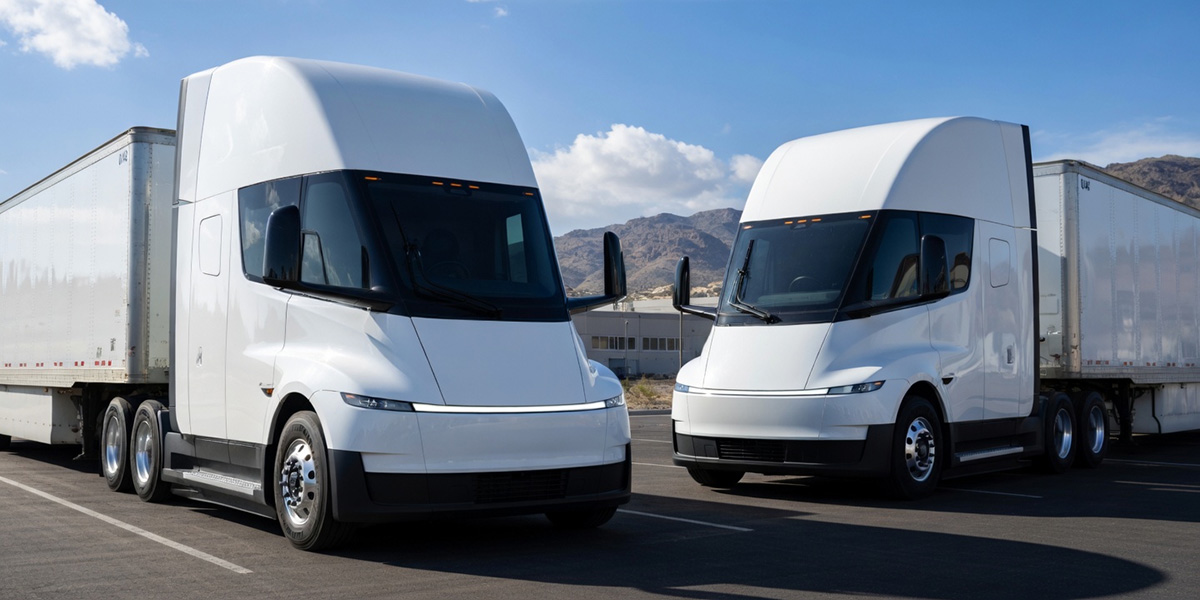
Tesla Semi Truck Innovations Are Redefining the Future of Freight
The trucking industry is entering a new phase of technological transformation, and few vehicles have generated as much discussion as the Tesla Semi truck. Designed to challenge traditional assumptions about heavy-duty logistics, this electric Class 8 tractor represents a shift not only in propulsion technology but also in driver experience, operational efficiency, and long-haul fleet strategy.
While diesel power continues to dominate freight transportation, the growing interest in electric platforms signals a broader evolution in how fleets evaluate performance, maintenance, and long-term operating conditions. Early real-world deployments suggest that the Tesla Semi truck is beginning to demonstrate the capabilities required for demanding freight corridors and high-mileage operations.
A Centered Driving Position That Changes Highway Visibility
One of the most distinctive features of the Tesla Semi truck is the centered driver position inside the cab. Unlike conventional tractors that require side-mounted seating due to large engine and transmission components, the electric architecture allows engineers to rethink cabin layout entirely.
Placing the driver in the middle improves forward visibility and helps create a narrower upper cab structure. This design contributes to enhanced aerodynamic performance while also giving drivers a commanding view of surrounding traffic conditions — an important factor during long highway runs and complex urban maneuvering.
For professional CDL drivers, improved visibility can translate into greater situational awareness and more confident decision-making behind the wheel.
Aerodynamic Efficiency Built Into The Truck’s Architecture
Rather than treating aerodynamics as a cosmetic feature, Tesla engineers integrated airflow optimization into the fundamental architecture of the vehicle. Rounded front surfaces and gradual widening toward the trailer reduce drag and support extended range performance.
Continuous improvements in aerodynamic efficiency have reportedly resulted in measurable gains over earlier prototype versions. These refinements highlight how incremental engineering adjustments can significantly impact operational range, energy consumption, and overall logistics planning efficiency.
In long-haul trucking, even small efficiency gains can influence route flexibility and scheduling reliability.
Long-Range Capability Designed Around Real Driver Breaks
Range confidence remains one of the most discussed aspects of electric trucking. The long-range version of the Tesla Semi truck is engineered to support operations approaching 500 miles on a single charge under specific conditions.
Equally important is the vehicle’s ability to recover a significant portion of its range during federally mandated rest breaks. High-capacity charging systems can restore meaningful operational mileage within approximately 30 minutes, aligning charging cycles with existing Hours-of-Service regulations.
This integration of technology and regulation represents a key step toward practical electric long-haul deployment.

Quiet Operation and a New Type of Driver Workspace
Driver feedback has consistently emphasized the quieter and smoother driving experience provided by electric powertrains. Reduced vibration and noise levels can contribute to lower fatigue during extended driving shifts.
In addition, the redesigned cabin environment allows greater flexibility of movement inside the truck, reinforcing the idea that modern tractors function as both transportation tools and mobile workspaces. For fleets focused on driver retention, interior comfort and usability are becoming increasingly important performance factors.
Reliability and Maintenance Considerations
Electric drivetrain architecture eliminates many traditional maintenance requirements associated with combustion engines. Fewer moving components can reduce routine service intervals and support higher uptime levels — a critical factor in freight operations where consistency directly impacts revenue.
Early operational data from pilot fleets indicates strong reliability performance across millions of cumulative miles. Continuous engineering refinements are expected as production scales and real-world usage expands across diverse geographic and climate conditions.
Safety Systems and the Road Toward Advanced Automation
Safety development remains a central priority in next-generation truck platforms. Integrated sensor arrays, electronic control systems, and advanced braking management technologies are being designed to improve vehicle stability and situational awareness.
While full autonomy remains a long-term objective, many current innovations focus on driver-assist functions that enhance highway safety and reduce the risk of fatigue-related incidents.
What the Tesla Semi Truck means for Professional Drivers
For experienced CDL drivers, the transition toward electric heavy-duty equipment introduces new learning opportunities rather than eliminating traditional skills. Understanding energy management, regenerative braking behavior, and charging logistics may become part of the evolving professional toolkit.
As fleets continue exploring alternative propulsion systems, drivers who stay informed about equipment innovation can position themselves for future operational roles in modern logistics environments.
Interested in how modern equipment improves driver comfort and lifestyle?
Read also: What Makes a Truck Feel Like a Second Home on Long Routes
The Road Ahead for Electric Long-Haul Freight
Diesel power will remain a major component of freight transportation for years to come. However, the emergence of vehicles like the Tesla Semi truck signals that the industry is actively exploring new pathways toward efficiency, sustainability, and technological integration.
For carriers, dispatch teams, and drivers alike, adapting to these developments may influence long-term competitiveness in an increasingly data-driven transportation landscape. Watch the full Tesla Semi demonstration and engineering discussion here.