Truck Safety Technology in 2026: Why New Truck Are Safer Than Ever Before?
Truck safety technology has advanced rapidly in recent years, changing how drivers experience the road in 2026. What once depended almost entirely on skill, awareness, and reaction time is now supported by intelligent systems designed to assist and protect drivers in real time.
In the past, staying safe meant relying only on experience and constant focus. While those still matter, today’s trucks provide an additional layer of support that helps reduce risk in ways that were not possible before. From monitoring surroundings to detecting potential hazards early, modern systems are actively working in the background to keep drivers safer. More companies are investing in truck safety technology to improve safety standards.
Today, truck safety technology is not just an upgrade, it is a standard.
Modern trucks are equipped with advanced features that continuously track road conditions, traffic movement, and driver behavior. These systems are designed to react faster than human reflexes in certain situations, helping prevent accidents before they happen. Instead of reacting after a mistake, drivers are now warned in advance, giving them time to adjust and avoid danger.
These improvements are making trucking safer not only for drivers, but for everyone on the road. Other vehicles, pedestrians, and entire traffic systems benefit from the increased safety and control that modern trucks bring. In today’s industry, truck safety technology is no longer optional.
Another important change is confidence. Drivers operating newer trucks often feel more secure knowing they have support systems in place. This reduces stress, improves focus, and allows for smoother decision-making, especially during long hauls or challenging conditions. In today’s industry, truck safety technology is no longer optional.
So what makes new trucks safer than ever before?
It is not just one feature, it is the combination of multiple systems working together to create a safer driving environment.
Let’s break it down.
How Truck Safety Technology is Changing the Industry
Truck safety technology is transforming the trucking industry by reducing accidents and improving driver awareness. What used to be a reactive approach, dealing with problems after they happen, is now becoming proactive. Modern systems are designed to identify risks early and assist drivers before situations become dangerous.
This shift is changing how drivers operate on a daily basis. Instead of constantly relying only on mirrors, instincts, and experience, drivers now have additional support that enhances their awareness of the road. These systems work continuously in the background, monitoring movement, distance, and potential hazards in real time. In today’s industry, truck safety technology is no longer optional.
Key truck safety technology features include:
- Lane departure warning systems
- Collision mitigation braking
- Adaptive cruise control
- Blind spot monitoring
- Driver alert systems
Each of these features plays a specific role in reducing risk. Lane departure warnings help drivers stay in their lane, especially during long hours on the road. Collision mitigation systems can automatically apply brakes in critical situations, helping prevent or reduce the severity of an accident. Adaptive cruise control maintains safe following distances, while blind spot monitoring alerts drivers to vehicles they may not see.
Driver alert systems add another layer of protection by detecting signs of fatigue or distraction. This is especially important in long-haul trucking, where maintaining focus over extended periods can be challenging.
Together, these systems create a safety network that supports the driver at all times.
Instead of replacing the driver, this technology enhances decision-making and reaction time. It acts as a constant backup, reducing the chances of human error and making the overall driving experience safer and more controlled.
Over time, the impact of these systems becomes clear. Fewer accidents, smoother driving, and increased confidence behind the wheel are just some of the benefits drivers experience. This is how modern safety technology is reshaping the industry, by making safety a built-in feature, not just a responsibility.
Real-Time Alerts That Prevent Accidents
One of the biggest advantages of truck safety technology is real-time feedback. Instead of relying only on driver awareness, modern systems provide instant alerts that help identify potential risks before they turn into serious situations. This immediate response is one of the key factors that makes today’s trucks significantly safer. Even small improvements in truck safety technology can prevent serious situations.
Modern systems can alert drivers instantly with warnings such as:
- Lane departure detected
- Unsafe following distance
- Collision risk ahead
- Driver fatigue warning
These alerts allow drivers to react immediately, reducing the chance of accidents. In many cases, even a second of early warning can make the difference between avoiding a situation and being involved in one. By providing constant updates, these systems help drivers stay aware of what is happening around them at all times.
Another important benefit is consistency. Unlike human focus, which can decrease over long hours, these systems remain active and precise throughout the entire trip. They do not get tired, distracted, or overwhelmed, which makes them a reliable support system in demanding driving conditions.
Truck safety technology acts like a second set of eyes, always active, always monitoring.
It continuously scans the road, tracks surrounding vehicles, and analyzes driving behavior to provide accurate, real-time information. This creates a safer driving environment where drivers are supported rather than left to manage every situation on their own.
Over time, this constant assistance reduces stress and increases confidence. Drivers know they have backup systems in place, allowing them to focus more clearly on the road ahead. That combination of awareness and support is what makes real-time alerts one of the most valuable safety improvements in modern trucking. Many drivers are now relying on truck safety technology to reduce daily risk.
Why Human Error Is No Longer the Only Factor
Most accidents in trucking are caused by human error. Long hours, fatigue, distractions, and unpredictable road conditions can all affect even the most experienced drivers. While skill and experience still play a major role, they are no longer the only line of defense when it comes to safety.
Modern systems help reduce this risk by adding an extra layer of awareness and support. Instead of relying entirely on human judgment, drivers now have technology that continuously monitors their actions and surroundings.
These systems help by:
- Monitoring driver behavior
- Detecting risky patterns
- Providing instant corrections
By tracking things like lane position, following distance, and sudden movements, these systems can identify potential issues before they become serious problems. When something unusual is detected, the driver is alerted immediately, giving them time to react and adjust.
Instead of relying only on experience, drivers now have support systems that improve decision-making in real time.
This creates a more balanced approach to safety. Human skill is still essential, but it is now supported by technology that reduces the margin for error. Over time, this combination leads to fewer accidents, better control, and a more stable driving environment.
Another important factor is consistency. While human performance can vary depending on fatigue or stress, these systems operate at the same level at all times. This reliability helps maintain a higher overall safety standard, especially during long hauls or challenging driving conditions.
In the bigger picture, this shift is changing how safety is approached in trucking. It is no longer just about avoiding mistakes, it is about preventing them before they happen.


Example: Freightliner Cascadia Generation 5
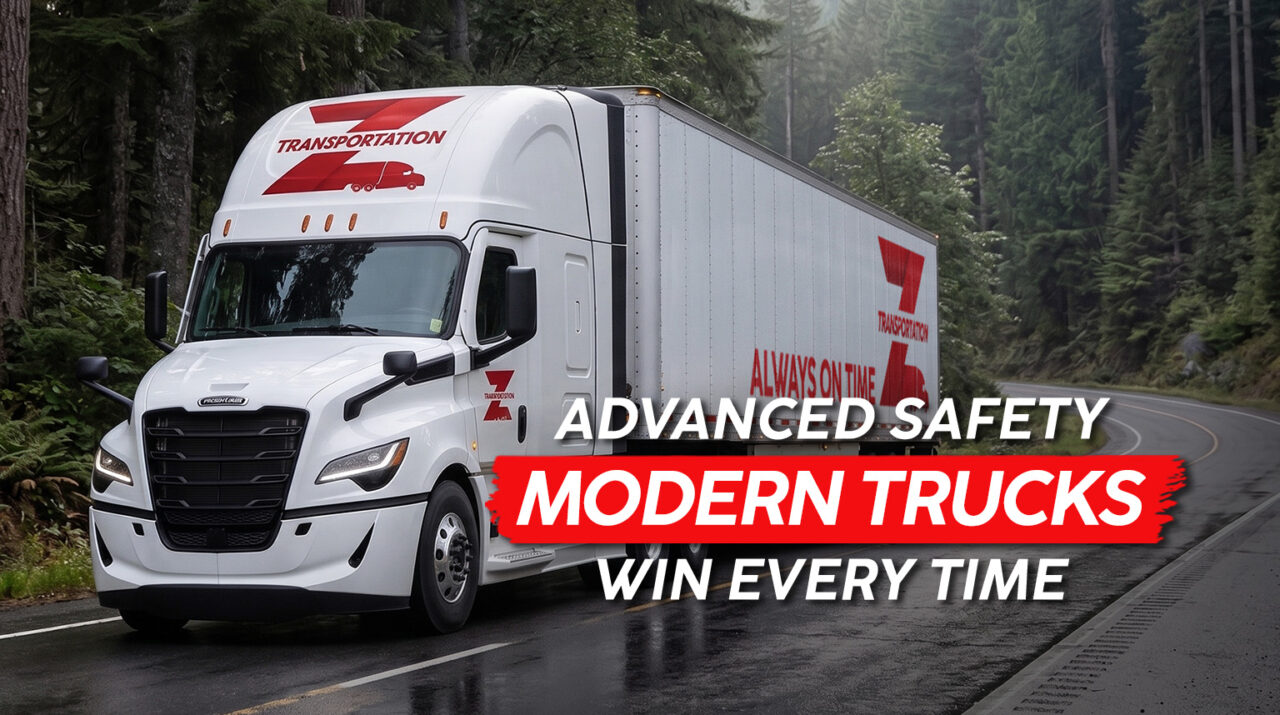
Trucks like the Freightliner Cascadia Generation 5 show how far safety has come in modern trucking. Instead of relying on a single system, this truck combines multiple technologies that work together in real driving conditions, not just on paper.
It’s not just about adding features, but about how those features interact while you’re on the road. From highway driving to tight city maneuvers, everything is designed to reduce pressure on the driver and increase overall control. Even small improvements in truck safety technology can prevent serious situations.
They include:
- Advanced safety assist systems
- Improved braking response
- Enhanced visibility
- Smart driver monitoring
What stands out is how these systems actually feel in practice. Braking response is smoother and more predictable, which matters in heavy traffic or sudden slowdowns. Visibility improvements make it easier to stay aware of surroundings, especially in blind spot situations or lane changes. Drivers who use modern systems quickly understand the value of truck safety technology.
Driver monitoring adds another layer by picking up subtle signs, like delayed reactions or inconsistent driving patterns, and responding before things escalate. It’s not intrusive, but it’s there when needed.
All of this leads to one key result: drivers feel more in control without being overwhelmed by technology.
These features are designed to reduce risk and improve driver confidence.
And over time, that confidence turns into more stable driving, fewer close calls, and a much more controlled experience behind the wheel, especially on long routes where consistency matters most. Over time, truck safety technology becomes a key part of safer driving.
Why Modern Fleets Are Safer for Drivers
Companies that invest in newer trucks are not just upgrading equipment, they are changing the entire driving experience. Safety today doesn’t depend only on skill and attention, but also on the quality of the truck you’re operating every day.
Modern trucks bring practical advantages that drivers notice immediately:
- Fewer incidents thanks to early warning systems
- Less pressure in heavy traffic situations
- More confidence during lane changes and tight maneuvers
- Greater control during long-distance driving
The difference becomes clear in real-world situations. In stop-and-go traffic, braking systems respond faster and more smoothly than older setups. During lane changes, sensors provide alerts that help catch what mirrors might miss.
Another major factor is mental load. Long hours behind the wheel are demanding, but with built-in systems assisting with distance, positioning, and awareness, drivers don’t have to stay in a constant high-alert state. That reduces fatigue and helps maintain focus over time.
There is also a sense of trust that develops with better equipment. When drivers know their truck will respond properly in critical moments, they make more confident and controlled decisions on the road.
That is why more drivers are choosing companies with newer fleets. It is not just about comfort or appearance, it is about having the right tools to stay safe and in control every mile of the journey.
Real-World Impact: Safety and Stability
Truck safety technology is not just about preventing accidents, it also changes how drivers experience the job every day. Instead of constantly reacting to situations, drivers operate with more awareness and support, which makes the entire process smoother and more manageable.
Drivers feel:
- More in control
- Less stressed
- More supported
These changes are not theoretical, they show up in everyday driving. Navigating busy highways, handling unexpected traffic, or driving in poor weather becomes less overwhelming when systems are there to assist. Instead of second-guessing decisions, drivers can rely on real-time feedback that helps them stay on track. Over time, truck safety technology becomes a key part of safer driving.
Another important difference is how drivers handle pressure. When the truck provides timely alerts and support, there is less need for constant tension. This allows drivers to stay calmer, make clearer decisions, and avoid overcorrecting in difficult situations.
Over time, this leads to more stable performance. Drivers are able to maintain a steady pace, reduce unnecessary risks, and handle long routes with greater confidence. The job becomes less about reacting under stress and more about staying in control from start to finish. More companies are investing in truck safety technology to improve safety standards.
That is where the real impact shows, not just in safety, but in how drivers perform, feel, and sustain their work over the long term. This is another example of how truck safety technology supports drivers every day.
Why Z Transportation Focues on Modern Safety
Companies like Z Transportation understand that safety is not something you add later, it has to be built into the entire operation from the start. That approach shows in the kind of equipment they run and the standards they maintain across their fleet.
By providing modern trucks like the Cascadia Gen 5, drivers are placed in an environment where safety is actively supported, not just expected. Instead of relying only on experience and constant alertness, drivers have access to systems that assist them throughout the day, whether it’s maintaining distance, reacting to sudden changes, or staying aware of their surroundings.
This means:
- Safer working conditions
- Better equipment
- More reliable performance
What makes the difference is how these elements come together in real use. Drivers are not dealing with outdated systems or unpredictable behavior from the truck. They are operating equipment that responds properly, gives feedback when needed, and helps prevent small issues from becoming serious situations.
There is also a shift in responsibility. Drivers are still in control, but they are not left to handle everything on their own. The truck acts as a support system, stepping in when needed and reducing the pressure that usually comes with long hours on the road.
In the long run, this approach leads to a better working environment. Drivers can focus on doing their job well, without constantly worrying about what might go wrong. And that is what modern safety should look like, not just protection, but support that makes the job more manageable every day.

The Future of Truck Safety Technology
Truck safety technology is moving beyond basic alerts and assistance systems into something far more advanced. What we see today is only the foundation, the next phase is focused on prediction, automation, and smarter decision-making support.
In the near future, trucks will not just react to situations, but anticipate them. Systems are being developed to analyze patterns, road conditions, and driver behavior in real time, identifying risks before they fully develop. This shift from reaction to prediction is what will define the next generation of safety. To explore advanced safety features and performance improvements, visit the official Freightliner Cascadia Generation 5. Over time, truck safety technology becomes a key part of safer driving.
Truck safety technology will continue to evolve with:
- AI-based monitoring
- Predictive accident prevention
- Smarter automation systems
AI-based monitoring will allow trucks to understand driving patterns over time, recognizing when something is out of the ordinary. Predictive systems will go a step further by identifying potential dangers seconds in advance, giving drivers more time to react or automatically adjusting the truck’s behavior when needed. This is where truck safety technology makes a real difference on the road.
Smarter automation will also play a role, not by replacing drivers, but by assisting in specific situations, such as maintaining safe distances, adjusting speed, or handling high-risk moments more precisely than human reflexes alone.
The goal is simple: reduce risk to the lowest possible level.
As these technologies continue to develop, the focus will remain on support rather than replacement. Drivers will still be in control, but with far more advanced tools helping them make better decisions, stay alert, and handle complex situations more safely.
Over time, this will lead to a new standard in trucking, where safety is not just a responsibility, but a built-in system that works continuously in the background. In today’s industry, truck safety technology is no longer optional.
Safer Trucks, Smarter Driving
Truck safety technology is reshaping what it means to be on the road in 2026. It’s no longer just about reacting quickly, it’s about having systems that help avoid problems before they even happen.
The result is a different kind of driving experience. One where the truck supports the driver in real time, making each mile more controlled and less unpredictable. Even small improvements in truck safety technology can prevent serious situations.
It is making trucks safer, drivers more confident, and roads more secure.
For drivers, this means protection.
Not just in critical moments, but throughout the entire trip, from highway driving to tight maneuvers and sudden traffic changes.
For companies, it means reliability.
Fewer incidents, smoother operations, and a work environment where drivers can perform at a higher level without unnecessary pressure.
For the industry, it means progress.
A shift toward smarter systems, better equipment, and a higher standard of safety across the board.
And in today’s trucking world, safety is everything. It defines how well the job gets done, how drivers feel behind the wheel, and how the industry continues to move forward. If you want to understand how modern trucks improve both comfort and efficiency, also read: Modern Trucks Benefits.