Introduction
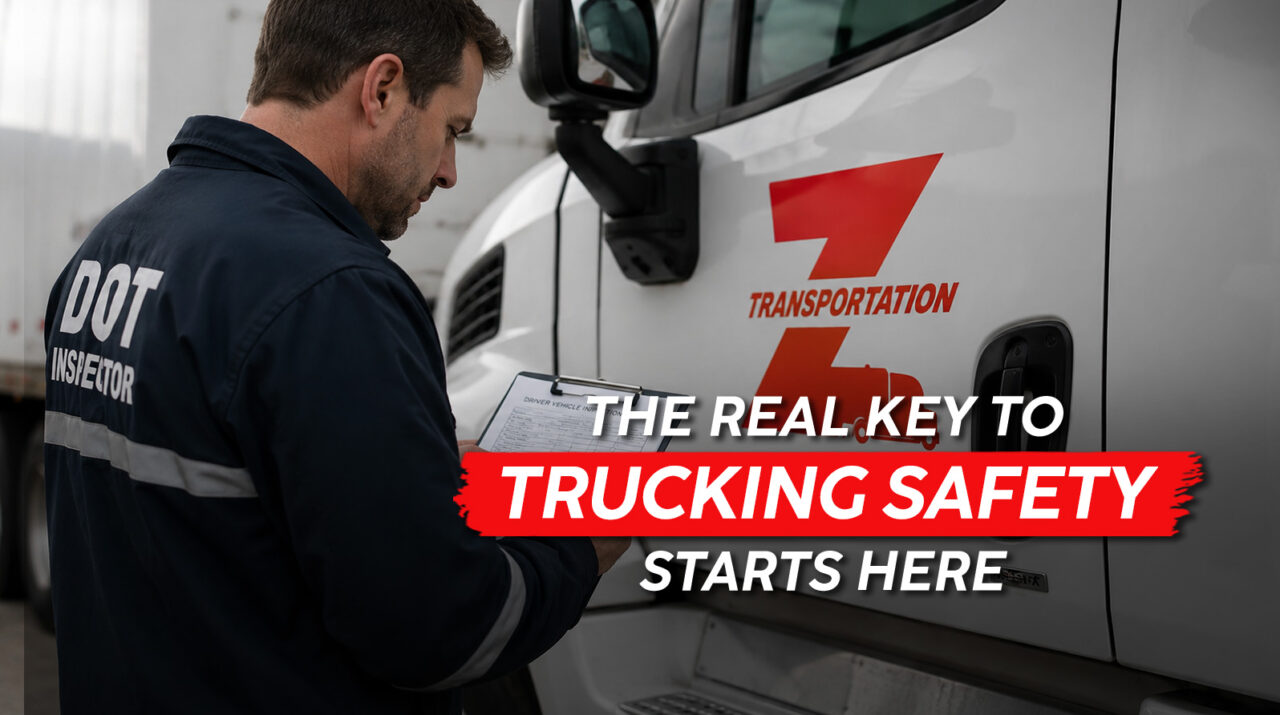
For truck drivers, safety starts long before the truck ever leaves the parking lot.
Every single day, commercial drivers across the United States rely on detailed inspections to help prevent accidents, roadside breakdowns, costly repairs, equipment failures, and DOT violations. That’s why following a complete pre trip inspection checklist continues to be one of the most important responsibilities in professional trucking.
A proper inspection is not only about passing regulations or avoiding citations.
It’s about protecting the driver, the truck, the freight, and everyone else sharing the highway.
In trucking, even small mechanical problems can quickly become serious safety risks during long-haul operations. Something as simple as low tire pressure, a damaged airline, worn brake components, loose connections, or malfunctioning lights can create dangerous situations if left unnoticed before departure.
That’s one reason experienced drivers never underestimate the importance of a consistent pre trip inspection checklist before starting a route.
Many veteran truckers say inspections become even more critical during demanding operations involving:
- Long-distance freight
- Heavy cargo loads
- Harsh weather conditions
- Overnight driving
- Tight delivery schedules
- High-mileage equipment
In today’s trucking industry, fleets are also facing stricter safety expectations, rising maintenance costs, increased CSA pressure, and more competitive delivery timelines than ever before.
Because of that, a detailed pre trip inspection checklist is becoming one of the most valuable tools drivers have for preventing downtime and identifying mechanical issues early before they become expensive or dangerous.
Another important factor is reliability.
Unexpected roadside breakdowns can delay deliveries, increase operational costs, damage schedules, and create major stress for both drivers and fleets. Many companies now place stronger emphasis on inspection routines because preventing problems is usually far cheaper than repairing major failures later.
A proper pre trip inspection checklist helps drivers:
- Identify maintenance concerns early
- Reduce accident risks
- Improve equipment reliability
- Avoid unnecessary delays
- Stay compliant during DOT inspections
- Improve overall road safety
And while inspections may sometimes feel repetitive after years on the road, many professional drivers believe consistency is exactly what makes them effective.
The drivers who take inspections seriously are often the ones who avoid major preventable issues later during trips.
Because in trucking, a few extra minutes spent checking the equipment before departure can prevent hour, or even days, of problems later on the road.
For many experienced truck drivers, a thorough pre trip inspection checklist is not just another task.
It’s part of being a professional.
Why Pre Trip Inspections Matter So Much
A complete pre trip inspection checklist plays a major role in both safety and operational reliability throughout the trucking industry.
Commercial trucks operate under demanding conditions every single day. Long hours behind the wheel, changing weather, heavy freight loads, rough road conditions, mountain routes, traffic congestion, and constant mileage all place significant stress on equipment over time.
Because of that, even minor mechanical problems can quickly become serious safety concerns if they are ignored or missed during inspections.
Without regular inspections, small issues like worn tires, loose connections, low fluid levels, air leaks, or faulty lights can eventually lead to breakdowns, expensive repairs, delayed deliveries, or dangerous roadside situations.
That’s one reason DOT inspections and fleet safety programs continue placing such strong emphasis on daily truck inspections across the industry.
A proper pre trip inspection checklist helps drivers:
- Identify safety concerns early
- Reduce roadside breakdown risks
- Avoid costly downtime
- Improve vehicle reliability
- Stay compliant during inspections
- Protect other drivers on the road
For many trucking companies, inspections are also an important part of preventive maintenance.
Catching a problem early is usually far less expensive than dealing with major repairs, emergency roadside service, missed loads, or equipment failures during a trip.
Another reason pre trip inspections matter so much is because trucking schedules are already highly demanding.
Unexpected mechanical issues can create major delays, affect customer deliveries, increase operational costs, and place additional stress on drivers trying to stay on schedule.
That’s why experienced drivers often view a thorough pre trip inspection checklist as an investment in reliability rather than just another routine task before departure.
Many professional truck drivers also say inspections create peace of mind before beginning a long route.
Knowing the truck has been checked carefully allows drivers to focus more confidently on driving conditions, traffic, weather, and route planning instead of constantly worrying about preventable mechanical problems during the trip.
Over time, many veteran drivers develop inspection habits that help them notice small warning signs before larger failures happen.
Things like:
- Unusual sounds
- Air pressure issues
- Vibrations
- Fluid spots
- Tire wear patterns
- Electrical problems
…can often be identified early through consistent inspection routines.
A complete pre trip inspection checklist is not only about regulations or paperwork.
It’s about keeping the truck operating safely, protecting the driver, reducing preventable risks, and helping ensure freight reaches its destination without unnecessary problems along the way.
Because in trucking, reliability and safety often start before the truck even leaves the yard.


1. Check Tires and Wheels Carefully
Tires are one of the most critical parts of any pre trip inspection checklist.
Commercial truck tires carry enormous weight every single day while operating under constant stress during long-haul operations. High mileage, changing weather conditions, rough road surfaces, heavy cargo loads, and extended highway driving all place major pressure on tires and wheel components over time.
Because of that, even a small tire issue can quickly become dangerous at highway speeds if it goes unnoticed.
A proper pre trip inspection checklist should always include carefully inspecting tires and wheels before departure.
Drivers should check for:
- Proper tire inflation
- Uneven wear patterns
- Low tread depth
- Cuts or visible damage
- Loose lug nuts
- Cracks in wheels or rims
Underinflated or damaged tires can increase the risk of blowouts, poor handling, reduced fuel efficiency, and dangerous roadside breakdowns during trips.
Many experienced truck drivers say tire inspections are one of the most important parts of their daily routine because tire-related problems remain one of the most common issues seen on the road.
Drivers should also carefully inspect dual tires for spacing problems, debris, or objects trapped between them, since these can eventually damage the tires while driving.
Another important part of a proper pre trip inspection checklist is paying attention to unusual wear patterns.
Uneven tire wear can sometimes indicate alignment problems, suspension issues, improper inflation, or mechanical concerns that may require maintenance before the truck continues operating.
Consistent tire and wheel inspections not only improve safety but can also help fleets reduce maintenance costs, prevent unexpected downtime, and improve overall vehicle reliability during long-haul operations.
Because in trucking, tires are one of the few things constantly connecting thousands of pounds of equipment to the road.
2. Inspect Brakes and Air Systems
Brake systems remain one of the most important parts of any pre trip inspection checklist.
For commercial trucks operating with heavy cargo loads and long stopping distances, reliable braking performance is critical under all driving conditions. Whether driving through heavy traffic, mountain routes, bad weather, or steep downhill grades, brake systems must function properly at all times.
Because of that, even small brake-related issues should never be ignored during inspections.
A proper pre trip inspection checklist should always include checking:
- Air pressure buildup
- Air leaks
- Brake lines
- Brake drums
- Slack adjusters
- Warning lights
Drivers should also pay attention to unusual sounds, slow air pressure buildup, or warning indicators that could signal developing brake system problems.
Air brake systems are especially important in heavy-duty trucking because they control the stopping power for both the truck and trailer. A small air leak or damaged component can eventually affect braking performance and create serious safety risks on the road.
That’s one reason brake-related violations remain among the most common issues discovered during DOT inspections across the trucking industry.
A detailed pre trip inspection checklist helps drivers identify potential brake problems early before they lead to expensive repairs, failed inspections, roadside breakdowns, or unsafe driving situations.
Many experienced truck drivers also say brake inspections become even more important during:
- Long downhill routes
- Heavy freight operations
- Winter driving conditions
- High-traffic areas
- Mountain driving
Brake systems experience constant wear over time, especially during demanding long-haul operations where trucks are carrying significant weight across thousands of miles.
Consistent inspections help drivers monitor system condition more carefully and reduce the chances of preventable failures while on the road.
For many professional drivers, brake inspections are not just about compliance.
They’re one of the most important parts of keeping both the truck and everyone around it safe during every trip.
3. Test All Lights and Signals
Visibility and communication are critical in trucking, especially during long-haul operations where drivers encounter changing weather, nighttime driving, construction zones, and heavy traffic conditions.
That’s why a complete pre trip inspection checklist should always include carefully checking all lights and signal systems before starting a trip.
Drivers should inspect:
- Headlights
- Brake lights
- Turn signals
- Clearance lights
- Hazard lights
- Reflectors
Proper lighting allows drivers to clearly see the road ahead while also helping other motorists understand the truck’s movements and positioning on the highway.
Even a single malfunctioning light can create serious safety risks, particularly during nighttime driving, rain, fog, snow, or low-visibility situations.
Faulty brake lights or turn signals can also increase the chances of accidents because surrounding drivers may not react properly if they cannot clearly see the truck’s intentions while braking or changing lanes.
Another reason lighting checks are an important part of any pre trip inspection checklist is DOT compliance.
Lighting violations remain one of the most common reasons commercial vehicles receive roadside citations or unnecessary inspection stops. Something as simple as a burned-out light can lead to delays, violations, or additional inspections during trips.
Many experienced truck drivers perform quick walkarounds after activating the truck’s lighting systems to confirm everything functions correctly before departure.
Drivers should also check trailer lighting connections carefully, since electrical connection problems between the tractor and trailer can sometimes cause signal failures or intermittent lighting issues while driving.
A detailed pre trip inspection checklist helps ensure the truck remains visible, compliant, and safer for everyone sharing the road.
Because in trucking, clear visibility and communication can make a major difference in preventing accidents before they happen.
4. Look for Fluid Leaks and Engine Problems
Engine-related issues can become extremely expensive if they are ignored early.
That’s why every complete pre trip inspection checklist should include carefully checking for fluid leaks, loose components, and signs of potential engine problems before starting a trip.
Drivers should inspect for:
- Oil leaks
- Coolant leaks
- Fuel leaks
- Hydraulic leaks
- Low fluid levels
- Loose hoses or belts
Even small leaks can sometimes indicate larger mechanical issues developing underneath the truck. If left unnoticed, these problems can eventually lead to overheating, engine damage, loss of power, or unexpected roadside breakdowns during long-haul operations.
Many experienced drivers also pay close attention to the ground underneath the truck before departure, since fresh fluid spots can often be one of the first warning signs that something needs attention.
A proper pre trip inspection checklist should also include monitoring gauges carefully after startup.
Drivers should confirm that:
- Oil pressure
- Engine temperature
- Air pressure
- Voltage levels
…remain within safe operating ranges before getting on the road.
Unusual smells, warning lights, excessive smoke, vibrations, or strange engine sounds should never be ignored during inspections either. These small warning signs can sometimes help drivers catch developing mechanical problems before they become much more serious and expensive later.
Another important part of the inspection process is checking hoses and belts for cracking, looseness, or visible wear.
Over time, constant heat, vibration, and mileage place stress on engine components, especially during demanding long-haul operations and harsh weather conditions. A detailed pre trip inspection checklist helps drivers identify potential problems early, reduce downtime, improve reliability, and prevent costly repairs that could leave the truck stranded during a route.
Because in trucking, catching a small engine issue early is almost always better than dealing with a major breakdown later on the highway.
5. Inspect Coupling Equipment and Trailer Connections
Trailer connections are another critical part of a professional pre trip inspection checklist.
The connection between the tractor and trailer must remain secure at all times during operation, especially when hauling heavy freight across long distances and highway speeds. Even a small issue involving coupling equipment can quickly become extremely dangerous if it goes unnoticed before departure.
That’s why experienced truck drivers never rush through trailer inspections.
A proper pre trip inspection checklist should include carefully inspecting:
- Fifth wheel locking jaws
- Kingpin condition
- Glad hands
- Electrical connections
- Safety latches
- Trailer airlines
Drivers should confirm the trailer is properly seated and locked into the fifth wheel before starting the trip. Loose connections, damaged airlines, worn kingpins, or improperly connected glad hands can all create serious safety risks while driving. Electrical connections should also be checked carefully to ensure brake lights, turn signals, and trailer lighting systems function properly during operation.
Improper coupling can create extremely dangerous situations on the road.
A disconnected trailer at highway speeds can lead to catastrophic accidents involving multiple vehicles, major property damage, and severe injuries. Because of that, many veteran drivers consider coupling inspections one of the most important parts of their daily routine.
Many drivers also perform tug tests after connecting trailers to help confirm the fifth wheel locking mechanism is secured correctly before leaving the yard.
A detailed pre trip inspection checklist helps reduce the chances of preventable trailer-related incidents while improving overall safety and reliability during long-haul operations.
Because in trucking, secure trailer connections are absolutely essential before every trip begins.
6. Check Emergency Equipment
Emergency equipment is often overlooked during inspections, but it remains an important part of both DOT compliance and overall driver safety.
Unexpected roadside situations can happen at any time in trucking, especially during long-haul operations, bad weather conditions, nighttime driving, or mechanical breakdowns far from service locations.
That’s why every complete pre trip inspection checklist should include checking all required emergency equipment before leaving.
Drivers should inspect:
- Fire extinguisher
- Warning triangles
- Spare fuses
- Safety equipment
Emergency items should always be present, secured properly, easy to access, and fully functional before starting a trip.
For example, a missing or expired fire extinguisher could become a serious problem during an engine fire or electrical issue. Likewise, warning triangles are extremely important if a truck becomes disabled on the roadside, especially in low-visibility conditions or high-traffic areas.
Many experienced drivers also double-check emergency equipment during long trips because items can sometimes become damaged, misplaced, or inaccessible over time.
Another important part of a proper pre trip inspection checklist is making sure emergency equipment is stored securely inside the truck so it does not move around or become difficult to reach during urgent situations.
While emergency equipment may not be used every day, it can become critical during breakdowns, accidents, roadside emergencies, or unexpected mechanical failures.
That’s why professional drivers understand that checking emergency equipment is not just another requirement.
It’s part of staying prepared for the unpredictable situations that can happen on the road at any moment.
7. Pay Attention to the Overall Condition of the Truck
Sometimes the most important part of a pre trip inspection checklist is simply paying close attention to the overall condition of the truck.
Experienced drivers often notice developing problems through small warning signs such as:
- Strange sound
- Vibrations
- Leaning suspension
- Unusual smells
- Dashboard warning lights
Over time, drivers become familiar with how their truck normally feels, sounds, and operates during daily use.
That experience can help identify potential mechanical issues early before they turn into serious failures or costly roadside breakdowns.
Many veteran truck drivers say some of the most important inspection habits come from consistency and awareness rather than simply rushing through a checklist.
If something feels unusual during startup, idle, braking, steering, or driving, experienced drivers usually investigate it instead of ignoring the warning signs.
A detailed pre trip inspection checklist is important, but paying attention to the truck’s overall condition can often help catch problems that may not always be obvious immediately.
That’s why many professional drivers believe instincts, experience, and consistency are just as valuable as the inspection checklist itself.

Common Mistakes Drivers Make During Inspections
Even experienced drivers sometimes rush inspections due to tight schedules, fatigue, weather conditions, or pressure to get moving quickly.
Some common mistakes include:
- Skipping parts of the inspection
- Ignoring small warning signs
- Failing to check trailer components
- Not documenting issues properly
- Rushing through brake checks
A rushed pre trip inspection checklist can easily miss problems that later become expensive or dangerous.
That’s why consistency matters.
Final Thoughts
A proper pre trip inspection checklist is one of the most important habits in professional trucking.
While inspections may sometimes feel repetitive, they play a major role in preventing accidents, avoiding breakdowns, reducing downtime, and keeping drivers safe on the road.
For many experienced truck drivers, inspections are not just about regulations.
They’re about responsibility, professionalism, and protecting both the equipment and everyone sharing the highway.
As trucking continues evolving in 2026, safety and reliability remain just as important as ever.
And in many cases, safer trips begin with a few extra minutes spent inspecting the truck before departure.
If you want to learn more about truck driver safety and recovery on the road, you can also check out our guide on why proper sleep matters more than caffeine in modern trucking.