Introduction
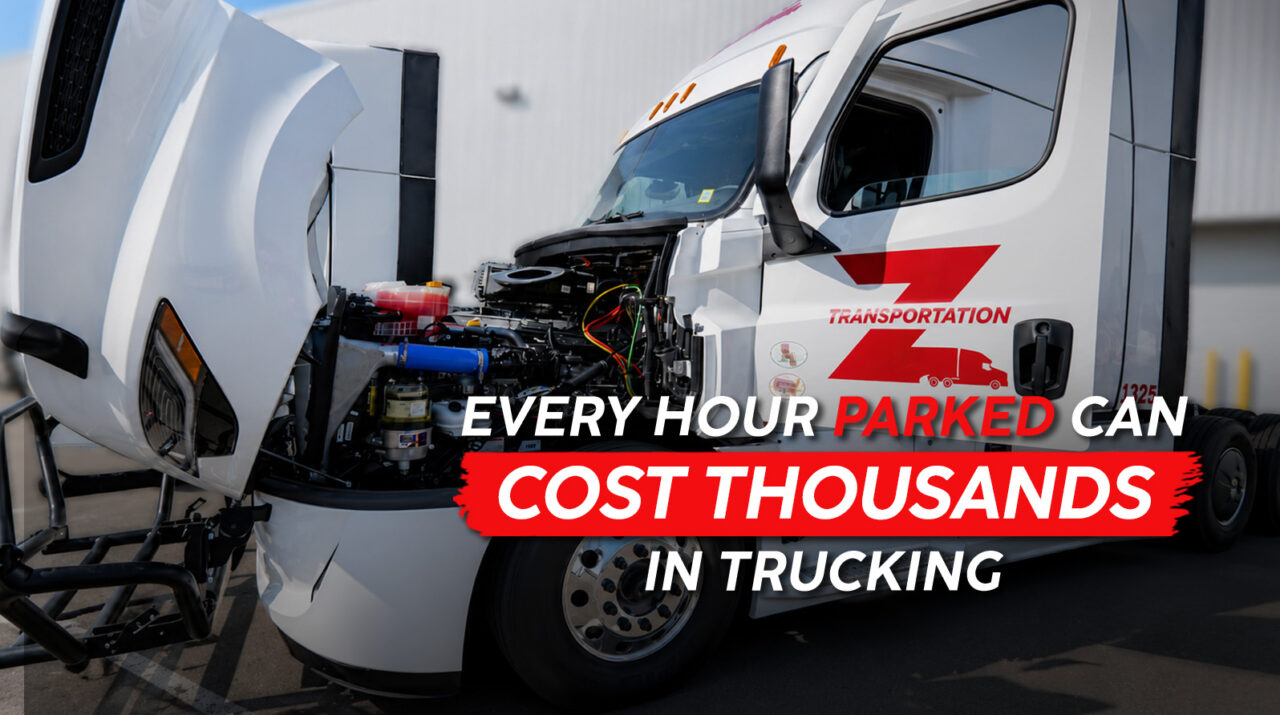
In trucking, every hour a truck sits still can cost money.
For many fleets, downtime has quietly become one of the biggest operational and financial challenges in the modern transportation industry. Whether caused by mechanical failures, maintenance delays, tire blowouts, accidents, inspections, severe weather conditions, traffic incidents, or parts shortages, downtime affects nearly every part of a trucking operation. Reducing trucking downtime costs has become one of the biggest priorities for modern fleet management in 2026.
And in 2026, those problems are becoming even more expensive.
Many people outside the industry only think about repair bills when a truck breaks down. But the real impact of trucking downtime costs goes far beyond simply fixing damaged equipment.
Downtime can also lead to:
- Missed loads
- Delayed deliveries
- Driver frustration
- Lost revenue
- Customer dissatisfaction
- Schedule disruptions
- Increased operational stress
For fleets operating multiple trucks across long-haul routes, even a single unexpected breakdown can create a chain reaction affecting dispatch operations, freight planning, customer relationships, delivery timelines, and overall fleet productivity.
In many situations, one truck sitting idle can impact several other parts of the operation at the same time.
That’s one reason more transportation companies are now investing heavily in preventive maintenance programs, newer equipment, fleet monitoring systems, telematics technology, and inspection routines designed to reduce unnecessary downtime before major problems happen.
Because in trucking, reliability is directly connected to profitability.
The longer trucks stay parked unexpectedly, the more revenue opportunities disappear.
Another major issue involving trucking downtime costs is unpredictability.
Breakdowns rarely happen at convenient times. A truck can experience problems in remote areas, during severe weather, in high-traffic regions, or while hauling time-sensitive freight. In those moments, fleets may suddenly face emergency roadside repair costs, delayed customer appointments, replacement truck coordination, hotel expenses, towing fees, or freight rescheduling problems. Many transportation companies are investing heavily in maintenance programs designed to lower long-term trucking downtime costs.
All of those expenses can add up extremely quickly.
At the same time, rising labor costs, increasing repair complexity, expensive replacement parts, and technician shortages are making downtime recovery more difficult throughout the trucking industry.
Modern commercial trucks are also becoming increasingly advanced technologically, which means diagnostics and repairs often require more specialized equipment and service availability than ever before.
That’s another reason why reducing trucking downtime costs has become one of the biggest priorities for fleets in 2026.
Many transportation companies are now focusing more aggressively on:
- Preventive maintenance
- Real-time fleet monitoring
- Driver inspection programs
- Maintenance scheduling
- Telematics systems
- Equipment reliability tracking
The goal is no longer only fixing trucks faster after a breakdown happens.
The real goal is preventing breakdowns from happening in the first place.
Because in today’s freight industry, operational consistency matters more than ever. Customers expect reliable deliveries, tighter schedules continue pressuring fleets, and transportation companies cannot afford unnecessary downtime disrupting operations repeatedly.
And while downtime may sometimes seem unavoidable in commercial trucking, many industry experts believe a large percentage of expensive breakdowns can actually be prevented through stronger maintenance strategies, earlier diagnostics, proper inspections, and better long-term fleet planning. Unexpected breakdowns continue increasing trucking downtime costs across the trucking industry.
Today, controlling trucking downtime costs is no longer only a maintenance issue.
It has become a major business strategy tied directly to fleet profitability, operational efficiency, customer retention, and long-term success in the modern trucking industry.
Why Trucking Downtime Costs Are So Expensive
One of the biggest reasons trucking downtime costs become so expensive is because the financial impact rarely stops with the initial mechanical problem.
When a truck goes down unexpectedly, the situation often creates multiple secondary costs that continue affecting the operation long after the repair process begins.
A breakdown does not only remove a truck from the road.
It can also disrupt freight planning, delay customer schedules, create dispatch complications, and force companies to suddenly adjust entire operations under pressure.
In many cases, fleets may lose:
- Revenue from missed freight
- Driver productivity
- Fuel efficiency
- Customer trust
- Scheduling flexibility
- Future business opportunities
For larger fleets, even one disabled truck can trigger a domino effect throughout dispatch operations and route planning. Loads may need reassignment, replacement drivers may be required, delivery appointments can shift unexpectedly, and customer communication often becomes more complicated once delays start affecting schedules.
At the same time, drivers stuck during repairs may lose valuable hours waiting at service locations, repair shops, or roadside assistance calls.
That creates another layer of growing trucking downtime costs, especially in an industry where productivity depends heavily on keeping both drivers and equipment moving consistently.
Another major issue many fleets face is emergency repair pricing.
Repairs completed during roadside situations, after-hours breakdowns, or remote-area service calls are often significantly more expensive than planned maintenance completed under normal conditions. Towing costs, hotel expenses, replacement transportation, and emergency labor charges can quickly increase the total financial impact of downtime.
For owner-operators and smaller carriers, downtime can become even more stressful financially because every parked truck represents revenue that immediately stops generating income. Preventive maintenance remains one of the most effective ways to reduce trucking downtime costs over time.
Unlike larger fleets with reserve equipment, many smaller operations rely heavily on every single truck staying operational as consistently as possible.
Unexpected downtime can also damage long-term business relationships.
In today’s transportation market, many customers prioritize reliability, consistency, and on-time performance just as much as freight pricing. Repeated delays caused by equipment problems may eventually affect customer confidence and future contract opportunities.
That’s another reason why many companies now focus more aggressively on reducing trucking downtime costs before breakdowns happen.
And in 2026, those challenges are becoming even more expensive due to:
- Rising labor costs
- Expensive replacement parts
- Technician shortages
- Supply chain delays
- Increasing equipment complexity
- Higher operational pressure
Modern commercial trucks are also more technologically advanced than ever before, which means diagnostics and repairs often require specialized service tools, trained technicians, and manufacturer-specific systems that can increase repair timelines.
Because of all these factors, minimizing trucking downtime costs has become one of the most important operational priorities throughout the modern trucking industry.
For many fleets today, reducing downtime is no longer only about maintenance.
It’s about protecting profitability, customer relationships, operational stability, and long-term business performance in an increasingly competitive freight market.


Mechanical Failures Create Major Financial Pressure
Mechanical failures remain one of the most common causes of rising trucking downtime costs throughout the transportation industry.
When critical components fail unexpectedly, trucks can quickly be removed from operation for hours, or sometimes even days, depending on repair complexity and service availability. Rising repair expenses are making trucking downtime costs even more difficult for fleets to manage in 2026.
Some of the most common problems involve:
- Engines
- Brakes
- Tires
- Transmissions
- Cooling systems
- Electrical components
Even relatively small mechanical issues can eventually turn into major financial problems if they are ignored early during inspections or maintenance routines.
For example, a minor coolant leak, worn brake component, weak battery, or damaged airline may seem manageable at first, but over time those problems can lead to much larger breakdowns during long-haul operations.
Modern commercial trucks are also becoming increasingly advanced technologically, which means repairs today are often more complex, time-consuming, and expensive than they were years ago.
Many fleets now face additional challenges such as:
- Delayed replacement parts
- Shop scheduling issues
- Limited technician availability
- Emergency roadside repair costs
In some situations, trucks may remain parked simply because certain parts or specialized repairs are not immediately available.
All of these factors continue increasing trucking downtime costs across the industry in 2026.
That’s why many fleets are placing greater focus on preventive maintenance, diagnostics, and early inspections designed to catch developing issues before they become catastrophic mechanical failures later on the road. Fleets that improve reliability often see major reductions in overall trucking downtime costs.
Delayed Deliveries Affect More Than Just Schedules
One of the hidden effects of trucking downtime costs is the pressure created by delayed freight deliveries.
Customers today expect faster and more reliable transportation than ever before. Because of that, unexpected delays can affect customer relationships, contracts, and long-term business reputation.
When trucks break down unexpectedly, fleets may face:
- Missed appointments
- Late delivery penalties
- Load rescheduling
- Driver detention time
- Customer complaints
In highly competitive freight markets, reliability often becomes just as important as pricing.
Many transportation companies now understand that reducing downtime is not only about protecting equipment.
It’s also about protecting customer confidence and maintaining operational consistency across every shipment.
Driver Downtime Creates Additional Problems
Downtime does not only affect trucks.
It also affects drivers, and in many situations, the human side of downtime becomes just as stressful as the financial side.
When drivers are stranded during repairs, breakdowns, inspections, or unexpected mechanical problems, productivity drops quickly. Long delays can increase stress, frustration, fatigue, and scheduling pressure for drivers who are already operating under demanding conditions and tight delivery timelines.
Some drivers may lose valuable driving hours while waiting for:
- Repairs
- Roadside assistance
- Replacement equipment
- Towing services
- Shop availability
In long-haul trucking, time management is extremely important. Delays caused by downtime can disrupt rest schedules, delivery appointments, trip planning, and overall workflow for the driver.
Many drivers also experience additional frustration when breakdowns happen far from home, late at night, during severe weather, or in remote areas with limited repair availability. Modern telematics systems are helping companies monitor equipment more efficiently and reduce trucking downtime costs before breakdowns happen.
This becomes another major factor contributing to rising trucking downtime costs, especially for fleets trying to improve operational efficiency and maintain strong driver retention.
Downtime can also create financial pressure for drivers themselves.
Owner-operators and drivers paid by the mile may lose earning opportunities every hour the truck remains parked unexpectedly. Even company drivers can experience added stress when repeated delays affect schedules, routes, and workload consistency.
Another important issue is morale.
Frequent breakdowns and unreliable equipment can slowly increase driver dissatisfaction over time, especially when drivers feel they are constantly dealing with preventable maintenance problems instead of focusing on driving and freight delivery.
That’s one reason many fleets are investing more heavily in newer trucks, preventive maintenance programs, and fleet reliability strategies designed to reduce unnecessary downtime before problems occur.
In today’s trucking industry, keeping drivers moving safely, efficiently, and consistently has become increasingly important for overall operational success. Many fleet managers now view preventive maintenance as one of the best long-term investments for controlling trucking downtime costs.
Because downtime affects far more than just equipment.
It impacts schedules, productivity, stress levels, driver satisfaction, and the overall stability of the entire operation at the same time.
Preventive Maintenance Helps Reduce Downtime
One of the most effective ways fleets reduce trucking downtime costs is through strong preventive maintenance programs.
Instead of waiting for major mechanical failures to happen unexpectedly, many transportation companies are now focusing much more aggressively on identifying small issues early before they turn into expensive breakdowns, delayed freight, and lost operational time later.
In today’s trucking industry, preventive maintenance is becoming one of the most important strategies for improving fleet reliability, reducing repair expenses, and keeping trucks consistently on the road.
A proper preventive maintenance program often includes:
- Regular inspections
- Oil changes
- Brake checks
- Tire monitoring
- Fluid inspections
- Diagnostic system monitoring
Many fleets also invest in newer trucks, advanced telematics systems, and real-time monitoring technology that help detect developing mechanical problems earlier before they become serious failures during long-haul operations.
Modern fleet management systems can now track things like:
- Engine performance
- Tire pressure
- Fuel efficiency
- Fault codes
- Maintenance intervals
- Component wear
…allowing companies to schedule repairs more proactively instead of reacting only after breakdowns happen unexpectedly.
That approach can significantly reduce long-term trucking downtime costs across the fleet.
Preventive maintenance also helps transportation companies improve operational planning.
Scheduled maintenance is usually far easier and less expensive to manage than emergency roadside breakdowns that disrupt routes, deliveries, driver schedules, and customer expectations at the same time. Driver delays and missed deliveries can quickly increase total trucking downtime costs during long-haul operations.
A strong preventive maintenance strategy can help fleets:
- Reduce unexpected breakdowns
- Improve reliability
- Extend equipment lifespan
- Lower repair costs
- Improve operational efficiency
Another major advantage is equipment longevity.
Commercial trucks operate under constant stress during long-haul freight operations, especially with heavy loads, changing weather, traffic congestion, rough road conditions, and high mileage. Consistent maintenance helps protect critical components and reduce unnecessary wear over time.
Many experienced fleet managers also believe preventive maintenance plays a major role in protecting customer relationships and improving delivery consistency.
The fewer breakdowns a fleet experiences, the easier it becomes to maintain reliable schedules, improve freight performance, and reduce operational disruptions caused by downtime.
That’s one reason more companies now view preventive maintenance as a major business investment rather than just another operating expense.
For many transportation companies in 2026, preventive maintenance is no longer optional.
It has become one of the most important tools for controlling long-term trucking downtime costs, improving fleet productivity, reducing stress on drivers and dispatchers, and keeping freight moving efficiently in an increasingly competitive trucking industry.

Why Reliability Matters More Than Ever in 2026
The trucking industry continues operating under more pressure than ever before.
Fleets today are dealing with:
- Tight delivery schedules
- Rising operational costs
- Driver shortages
- Equipment expenses
- Competitive freight markets
At the same time, customer expectations continue increasing across the transportation industry. Shippers now expect faster deliveries, more consistent scheduling, real-time updates, and fewer delays throughout the freight process.
Because of that, reliability is becoming one of the most valuable advantages a trucking company can have in 2026.
For many fleets, reducing trucking downtime costs is no longer only about avoiding repair bills.
It’s about maintaining operational consistency in an industry where every delayed truck can affect scheduling, customer relationships, driver productivity, dispatch planning, and overall business performance at the same time.
Companies that minimize downtime and improve fleet reliability often see major improvements involving:
- Customer satisfaction
- Operational efficiency
- Fleet productivity
- Driver retention
- Overall profitability
Reliable equipment helps transportation companies move freight more consistently, reduce unexpected scheduling disruptions, and improve long-term planning across the operation.
In highly competitive freight markets, reliability often becomes one of the biggest factors separating strong fleets from struggling ones.
Many customers today prioritize dependable transportation partners because delayed deliveries can create serious problems throughout supply chains, warehouses, retailers, manufacturing operations, and distribution networks.
That’s one reason many fleets are investing more heavily in preventive maintenance, real-time diagnostics, newer trucks, inspection programs, and advanced fleet monitoring systems designed to reduce trucking downtime costs before breakdowns happen.
At the same time, fleets struggling with repeated mechanical failures and unreliable equipment may face increasing operational pressure over time.
Frequent downtime can eventually lead to:
- Higher maintenance expenses
- Delayed freight
- Increased driver frustration
- Customer complaints
- Lower productivity
- Lost business opportunities
Another major issue is scheduling instability.
Unexpected breakdowns often force dispatchers to reorganize routes, move freight between drivers, reschedule deliveries, and adjust operations under pressure, all while trying to minimize customer impact.
As freight demand continues increasing in 2026, many transportation companies simply cannot afford repeated downtime disrupting operations regularly.
That’s why reducing trucking downtime costs has become a major priority across modern fleet management strategies.
Reliable trucks help fleets operate more efficiently, reduce stress across the company, improve delivery performance, and maintain stronger customer confidence over the long term.
And in today’s trucking industry, consistency matters more than ever.
Because the fleets that keep freight moving reliably are often the ones that stay competitive the longest.
Small Problems Often Become Expensive Fast
One of the biggest lessons many fleets learn is that small maintenance issues rarely stay small for long.
In the trucking industry, even minor mechanical problems can quickly increase trucking downtime costs if they are ignored too long or missed during inspections and preventive maintenance routines.
A small fluid leak, worn tire, damaged airline, weak battery, faulty sensor, or ignored warning light may not seem urgent at first. But over time, those issues can eventually lead to major mechanical failures, expensive roadside repairs, delayed freight, and extended downtime during long-haul operations.
That’s why experienced fleet managers and professional drivers place strong emphasis on:
- Daily inspections
- Preventive maintenance
- Early diagnostics
- Consistent repair schedules
Many transportation companies now understand that reducing trucking downtime costs often starts with identifying small warning signs before they become serious breakdowns affecting the entire operation.
In many situations, catching a problem early may prevent:
- Days of downtime
- Expensive repairs
- Missed deliveries
- Driver delays
- Lost revenue opportunities
And in modern trucking, preventing downtime is almost always far less expensive than dealing with the financial pressure caused by unexpected breakdowns later on the road.
Final Thoughts
In modern trucking, downtime affects far more than just repair bills.
It impacts revenue, delivery schedules, drivers, customer relationships, fleet productivity, operational efficiency, and overall business performance across the entire transportation operation.
As repair costs, freight demands, maintenance expenses, and operational pressure continue rising in 2026, controlling trucking downtime costs is becoming more important than ever for fleets, owner-operators, and transportation companies of every size.
Today, many fleets are realizing that downtime is not only a maintenance issue.
It’s a major profitability issue.
Every unexpected breakdown can create additionalcosts involving:
- Missed freight
- Delayed deliveries
- Driver downtime
- Emergency roadside repairs
- Customer dissatisfaction
- Lost operational efficiency
That’s one reason more transportation companies are investing heavily in:
- Preventive maintenance
- Fleet inspections
- Newer equipment
- Real-time diagnostics
- Telematics systems
- Maintenance planning strategies
The goal is not only repairing trucks faster after failures happen.
The real goal is reducing trucking downtime costs by preventing unnecessary breakdowns before they disrupt operations.
Many experienced fleet managers now understand that reliable equipment plays a major role in improving:
- Fleet productivity
- Customer retention
- Driver satisfaction
- Delivery consistency
- Long-term profitability
As the trucking industry continues becoming more competitive, operational consistency is becoming one of the biggest advantages a fleet can have.
Because in trucking, trucks only generate revenue when they are moving.
And every hour spent parked unexpectedly can quickly turn into a costly problem affecting the entire operation.
If you want to learn more about how inspections help reduce breakdown risks and improve fleet reliability, you can also check out our complete guide on the pre trip inspection checklist for truck drivers.