AI Smart Dashcams for Truck Drivers in 2026
In 2026, AI smart dashcams for truck drivers are transforming the trucking industry faster than many drivers expected. What began as simple recording cameras mounted on windshields has evolved into advanced intelligent systems capable of analyzing road conditions, detecting risky behavior, and providing real-time feedback that directly affects safety and daily operations behind the wheel.
These systems are no longer passive devices that only capture footage after an accident happens. Today, they actively monitor driving behavior, identify patterns that may lead to collisions, and alert drivers before dangerous situations escalate. From fatigue warnings to distraction detection, AI-powered dashcams are becoming deeply integrated into how fleets operate and how drivers experience every trip.
For many drivers, this technology brings clear advantages. It makes the road safer, helps prevent accidents before they happen, and offers strong protection against false accident claims or fraudulent lawsuits. In many cases, drivers now have video evidence that can immediately prove they were not at fault in disputed incidents.
At the same time, not every driver sees these changes positively.
For others, AI smart dashcams for truck drivers raise serious concerns about privacy, constant monitoring, and increased pressure behind the wheel. Interior-facing cameras, real-time voice alerts, and performance tracking systems can make some drivers feel like they are being watched every minute of the day, creating tension between safety benefits and personal freedom in the cab.
Either way, one fact is becoming impossible to ignore: AI smart dashcams for truck drivers are no longer optional in many fleets. They are quickly becoming standard equipment across the industry, especially among larger carriers focused on reducing insurance costs, improving compliance, and lowering accident rates.
And this is only the beginning.
As artificial intelligence becomes more advanced, these systems are expected to become even more predictive, more responsive, and more deeply connected to every aspect of fleet operations.
So what exactly is changing in 2026, and how is this technology reshaping daily life for truck drivers on the road?
Let’s break it down.
Why AI Smart Dashcams for Truck Drivers Are Expanding So Fast
The biggest reason fleets are adopting AI smart dashcams for truck drivers so quickly is simple: safety and risk reduction have become top priorities across the trucking industry. In 2026, carriers are facing growing pressure from insurance providers, regulators, and rising accident costs, forcing companies to invest in technologies that can actively reduce incidents before they happen.
Modern trucking companies are under constant pressure to lower accident rates, reduce insurance claims, improve compliance scores, and protect both drivers and equipment. Even a single preventable accident can create major financial losses through vehicle damage, cargo delays, lawsuits, insurance increases, and downtime. AI systems are becoming one of the most effective tools available to address all of these problems at once.
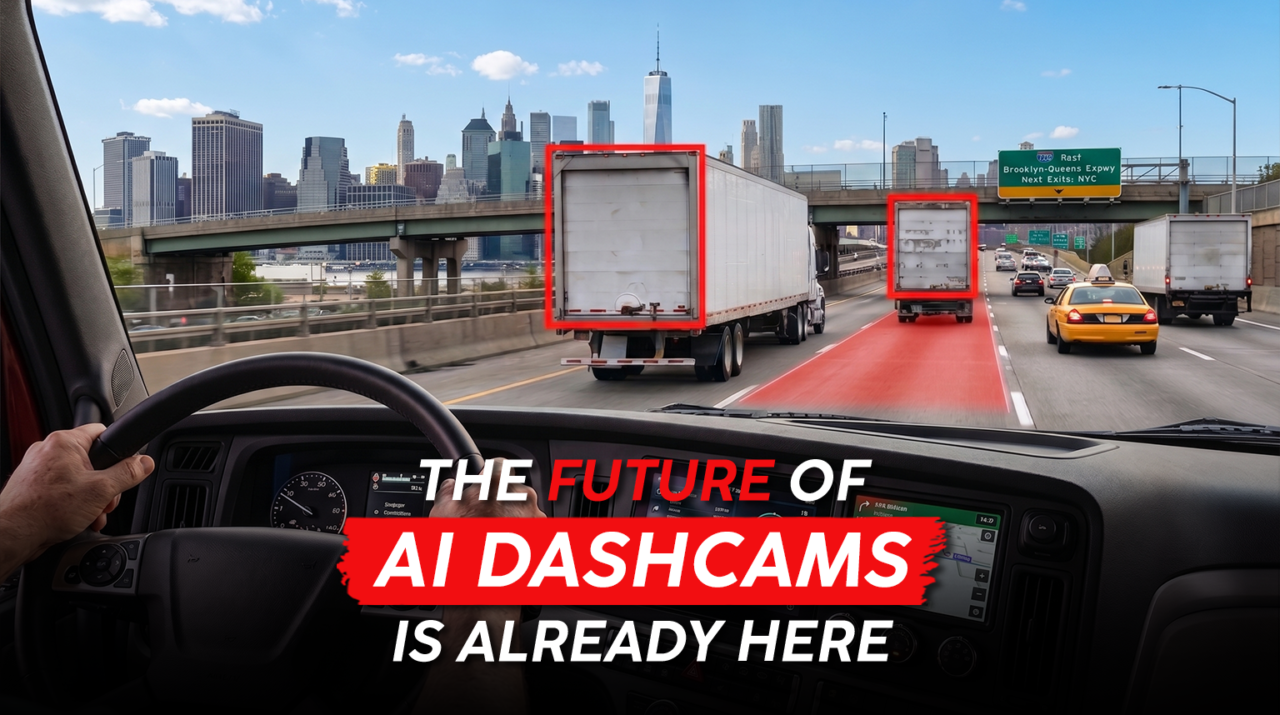
Unlike traditional dashcams, which simply record video for later review, today’s AI smart dashcams for truck drivers actively analyze road conditions and driver behavior in real time. They function as intelligent safety assistants inside the cab, constantly scanning for warning signs that human drivers may miss during long hours on the road.
These advanced systems can detect:
- Lane drifting
- Hard braking events
- Following too closely
- Cell phone distraction
- Fatigue warning signs
- Sudden collision risks
This makes AI smart dashcams for truck drivers far more advanced than basic recording cameras. Instead of acting like passive witnesses after accidents occur, they help drivers avoid accidents before they happen by delivering instant warnings that can prevent dangerous mistakes in real time.
That preventive ability is exactly why adoption is accelerating so fast. Fleets no longer see dashcams as optional recording devices, they now see them as active risk-management tools that protect drivers, lower liability, and improve overall fleet performance.
Real-Time Alerts Are Changing Driver Behavior
One of the most noticeable day-to-day changes drivers experience with AI smart dashcams for truck drivers is the rise of real-time voice coaching inside the cab. Unlike older dashcam systems that only recorded footage for later review, modern AI systems now communicate with drivers instantly, giving immediate warnings when risky behavior is detected on the road.
This real-time interaction is changing the driving experience in a major way. Instead of learning about mistakes after an incident happens — during a manager review or safety report — drivers now receive alerts the moment unsafe behavior occurs. That immediate feedback allows corrections to happen in real time, often before a dangerous situation escalates.
Common AI voice alerts include warnings such as:
- “Lane departure detected”
- “Unsafe following distance”
- “Driver distraction detected”
- “Fatigue warning activated”
These alerts may seem simple, but their impact is significant. They help drivers become more aware of habits that might otherwise go unnoticed during long hours behind the wheel, especially when fatigue, stress, or highway monotony reduce attention levels.
For many fleets, this has already led to measurable improvements in driving habits. Companies report fewer risky incidents, fewer preventable collisions, and stronger safety records after implementing AI smart dashcams for truck drivers across their fleets. Drivers often become more consistent in maintaining safe following distances, smoother braking patterns, and better lane control because of the instant corrections these systems provide.
That is one major reason AI smart dashcams for truck drivers are becoming such a critical fleet investment in 2026. They are not just monitoring behavior, they are actively shaping safer driving habits every single day.
How AI Dashcams Improve Driver Safety
Safety remains the strongest and most important benefit of AI smart dashcams for truck drivers, and it is the main reason fleets continue investing heavily in this technology. In an industry where one moment of distraction can lead to catastrophic consequences, AI dashcams are becoming essential tools for reducing risk and protecting lives on the road.
Unlike human drivers, who can become tired, distracted, or overwhelmed after long hours behind the wheel, AI systems remain constantly alert. These dashcams act like a second set of eyes on the road, continuously scanning traffic patterns, nearby vehicles, road hazards, and driver behavior without losing focus. That constant awareness helps catch warning signs early — often before a driver even realizes danger is developing.
Key safety benefits include:
- Faster hazard detection
- Earlier fatigue alerts
- Better accident prevention
- Reduced blind spot risk
- Improved emergency reaction time
For long-haul drivers working exhausting schedules, these systems can literally prevent deadly mistakes. A fatigue warning delivered a few seconds earlier, or a collision alert triggered before impact, can make the difference between a near miss and a serious crash.
Many carriers are already reporting measurable safety improvements because of wider adoption of AI smart dashcams for truck drivers. Fleets using these systems often see fewer preventable accidents, lower crash-related costs, and stronger safety records overall. In many cases, the technology is helping drivers avoid incidents they may never have had time to react to on their own.
That is what makes AI dashcams so powerful: they are not replacing drivers, they are strengthening driver safety by providing constant intelligent support when it matters most.


Privacy Concerns Are Growing Among Drivers
Not every driver welcomes this technology with enthusiasm. While AI smart dashcams for truck drivers bring clear safety advantages, they also raise serious concerns about privacy, trust, and how much monitoring is too much inside the cab.
One of the biggest debates surrounding AI smart dashcams for truck drivers in 2026 is not about whether the technology works — it is about how it is being used. Many drivers understand and support road-facing cameras that protect them during accidents or false claims, but the conversation changes when cameras begin recording inside the cab as well.
Common driver concerns include:
- Feeling constantly watched while driving
- Interior-facing cameras recording personal cab behavior
- Fear of unfair footage interpretation without context
- Increased pressure from management review systems
For many drivers, the cab is more than just a workplace, it is also a temporary living space during long-haul routes. That is why interior-facing cameras can feel intrusive, especially when drivers believe their every movement may be reviewed by safety departments, fleet managers, or insurance investigators.
Another major concern is how footage is interpreted. Drivers worry that short video clips may not always tell the full story, and that harmless actions could be misunderstood or used unfairly in disciplinary decisions. In some cases, drivers report feeling added stress simply knowing that every distraction alert or flagged behavior may be reviewed later.
That is why the balance between safety and privacy is becoming one of trucking’s biggest technology debates in 2026. As AI smart dashcams for truck drivers continue expanding across fleets, companies will need to build trust by being transparent about camera policies, data use, and how footage is reviewed, otherwise resistance from drivers will continue growing.
How Fleets Use Dashcam Data Beyond Safety
Today, dashcam footage is no longer used only to review accidents after they happen. In 2026, fleet companies are using AI smart dashcams for truck drivers as powerful data tools that influence many parts of fleet operations far beyond simple safety recording.
Modern AI systems collect and analyze huge amounts of driving data every day. This information gives fleet managers detailed insights into driver habits, risk patterns, and operational performance, allowing companies to make decisions based on measurable behavior rather than guesswork alone.
Many fleets now use dashcam data for:
- Driver performance scoring
- Safety coaching reviews
- Insurance investigations
- Hiring evaluations
- Risk management analysis
This means AI smart dashcams for truck drivers are increasingly affecting career performance reviews as well, not just accident prevention. A driver’s braking habits, distraction alerts, following distance behavior, and response times may all become part of how fleets evaluate performance over time.
For drivers, that creates both opportunity and pressure.
On one hand, safe and consistent drivers can benefit from stronger performance records, better safety scores, and even improved promotion opportunities. Clean dashcam data may help drivers prove professionalism and build trust with employers.
On the other hand, some drivers feel this level of monitoring creates additional pressure behind the wheel, especially when every alert or flagged event may affect performance ratings. Small mistakes that once went unnoticed can now become part of long-term evaluation records.
That is why AI smart dashcams for truck drivers are changing much more than road safety, they are reshaping how fleets measure accountability, driver performance, and career development across the trucking industry.
Insurance and Legal Protection Benefits
One of the most valuable advantages of AI smart dashcams for truck drivers is the legal and insurance protection they provide when accidents or disputes happen on the road. In today’s trucking environment, where false claims and liability lawsuits are increasingly common, dashcam footage has become one of the strongest legal tools a professional driver can have.
In many accident situations, the biggest challenge is proving what actually happened. Without video evidence, fault can become a matter of conflicting statements between drivers, witnesses, insurance companies, and attorneys. That uncertainty often places CDL drivers at serious risk, especially when they are wrongly blamed for incidents they did not cause.
This is where AI smart dashcams for truck drivers make a major difference.
In accident disputes, these systems can:
- Prove driver innocence with real recorded evidence
- Protect against false claims or staged accident fraud
- Speed up insurance investigations by providing instant footage
- Reduce lawsuit exposure for both drivers and carriers
For CDL drivers, this legal protection is often one of the biggest hidden benefits of dashcam technology. A single clear video clip can save months of legal stress, protect a driver’s safety record, and prevent wrongful blame that could damage a career.
Insurance companies also value this evidence because it reduces investigation time and lowers fraud-related losses. In many cases, carriers with strong dashcam systems are able to resolve claims faster, defend drivers more effectively, and reduce legal costs tied to disputed accidents.
That is why many fleets now see AI smart dashcams for truck drivers not only as safety tools, but also as critical legal protection systems that safeguard drivers long after the trip is over.
Challenges Still Facing AI Dashcam Systems
Despite major progress in recent years, AI smart dashcams for truck drivers are still far from perfect. While the technology has become much more advanced and reliable, many drivers and fleet managers continue to experience problems that show the systems still have important limitations to overcome.
Artificial intelligence is powerful, but it is not flawless. These systems rely on sensors, cameras, algorithms, and pattern recognition models that can sometimes misinterpret situations on the road. In real driving environments — where weather changes quickly, traffic is unpredictable, and road conditions vary constantly — mistakes still happen.
Current limitations commonly include:
- False alerts triggered unnecessarily
- Misreading harmless driver actions as risky behavior
- Over-sensitive warning frequency that becomes distracting
- Software errors during rain, snow, fog, or poor lighting conditions
One of the biggest frustrations drivers report is false alerts. For example, a driver may receive a distraction warning while simply checking mirrors, adjusting controls, or glancing briefly at navigation screens. When these false warnings happen too often, they can become irritating and reduce trust in the system itself.
Another common issue is over-sensitivity. Some drivers say repeated alerts create unnecessary stress, especially when harmless situations trigger warnings multiple times during a shift. Instead of improving focus, excessive false alarms can become distractions on their own.
Weather conditions also remain a technical challenge. Heavy rain, snow glare, fog, and low-light driving can interfere with camera accuracy, causing some AI smart dashcams for truck drivers to misread road markings, vehicle spacing, or nearby hazards.
Technology continues improving rapidly, and software updates are reducing many of these issues year by year. Still, drivers remain cautious because inaccurate warnings can affect both trust and comfort behind the wheel.
That is why some skepticism around AI smart dashcams for truck drivers remains justified. While the systems are undeniably valuable, they still need refinement before they can fully match the judgment and adaptability of experienced human drivers.
What Drivers Should Ask Before Joining a Fleet
Before joining any company that uses AI smart dashcams for truck drivers, it is becoming increasingly important for drivers to understand exactly how those systems are used inside the fleet. Not all trucking companies apply dashcam technology in the same way, and the policies behind the cameras can make a major difference in how drivers experience the job.
Some fleets use dashcams mainly as safety tools designed to coach and protect drivers, while others may rely on them more aggressively for monitoring and disciplinary purposes. That is why drivers should never assume all AI dashcam programs are the same. Asking the right questions before accepting a job offer can prevent misunderstandings later and help drivers choose companies whose technology policies match their comfort level.
Before signing with a fleet, drivers should ask:
- Are cameras road-facing only, or are they dual-facing inside the cab as well?
- Who reviews the footage — safety managers, dispatchers, third-party teams?
- How long is video footage stored in company systems?
- Are alerts used mainly for coaching, or can they lead directly to discipline?
- Can drivers dispute flagged incidents if they believe the AI made a mistake?
These questions matter because AI smart dashcams for truck drivers are no longer just passive devices, they now directly influence driver evaluations, safety reviews, and even employment decisions in many fleets.
Understanding a company’s dashcam policies is becoming essential in modern trucking employment. Drivers who know how footage is reviewed, stored, and interpreted are far better prepared to protect both their privacy and their professional reputation before getting behind the wheel.

Could AI Dashcams Help Reduce Driver Shortages?
Some industry experts believe AI smart dashcams for truck drivers could help improve driver retention over time. The idea is simple: when fleets become safer and drivers feel more protected, they are more likely to stay in the industry longer.
Safer fleets can create:
- Lower accident stress
- Better legal protection
- Improved driver confidence
- Reduced insurance pressure
If drivers feel safer behind the wheel and less exposed to risk, many may choose to remain in trucking instead of leaving because of stress or safety concerns. That makes AI smart dashcams for truck drivers more than just safety tools — they may also become part of a long-term solution for workforce stability in trucking.
The Future of AI Dashcams in Trucking
The future of AI smart dashcams for truck drivers is moving far beyond simple alerts and video recording. As artificial intelligence becomes more advanced, these systems are expected to play an even bigger role in how fleets manage safety, routing, and driver support.
In the near future, AI dashcam technology may expand into:
- Predictive accident prevention before risks fully develop
- Voice-controlled coaching assistants inside the cab
- Fully integrated fleet AI monitoring systems
- Real-time route hazard forecasting based on traffic and weather data
The technology is becoming smarter every year, and trucking is becoming more connected as fleets rely more heavily on real-time data. For drivers, this means AI systems will likely become even more involved in daily decision-making on the road, making AI smart dashcams for truck drivers a permanent part of the industry’s future.
If trucking technology and safety matter to you, also read: Truck Parking Crisis in 2026. It pairs perfectly with understanding how modern technology affects driver safety on the road.
For official trucking safety regulations and technology guidance, visit the Federal Motor Carrier Safety Administration website.
AI is Already in the Cab
There is no question that AI smart dashcams for truck drivers are changing trucking permanently. What once seemed like future technology has already become part of everyday life inside many fleets, affecting how drivers work, how companies monitor safety, and how decisions are made on the road.
For some drivers, these systems bring clear benefits, greater safety, stronger legal protection, and peace of mind during accident disputes. For others, they create real concerns about privacy, constant monitoring, and the feeling of always being watched behind the wheel.
But regardless of opinion, one fact is certain:
In 2026, AI is no longer the future of trucking, It is already riding in the passenger seat.